Uttar Pradesh Politics Heats Up as Yogi Adityanath Targets 115 Key Seats Ahead of 2027 Assembly Polls • Rajasthan Civic Polls 2026: Voting Begins as BJP Faces Rebel Challenge • Yogi Adityanath Targets 2027 UP Elections, Says BJP Will Return With a Grand Majority
Tamil Nadu Politics: Regional Identity, Welfare and Electoral Strategy
Haripriya 11 Sept 2026 3 min read 189 views
Tamil Nadu is one of India's most politically significant states, with a long history of strong regional political movements and competitive elections. The state's political environment has been shaped by debates around regional identity, social welfare, education, economic development and language.
Tamil Nadu Politics is closely followed across India because political developments in the state can influence both regional governance and national political strategies.
Regional Identity in Tamil Nadu Politics
Regional identity has played an important role in Tamil Nadu's political history. Questions related to Tamil language, culture and state interests have frequently appeared in political debates.
Political parties often highlight the importance of protecting the state's cultural and linguistic identity while also focusing on economic development and public welfare.
This combination of regional identity and development has become a defining feature of the state's political landscape.
Welfare Policies and Governance
Welfare programmes remain an important part of political discussions in Tamil Nadu.
Governments and political parties frequently focus on areas such as education, healthcare, social security and support for economically vulnerable communities.
Voters often evaluate governments based on how effectively welfare programmes reach citizens and whether public services improve their quality of life.
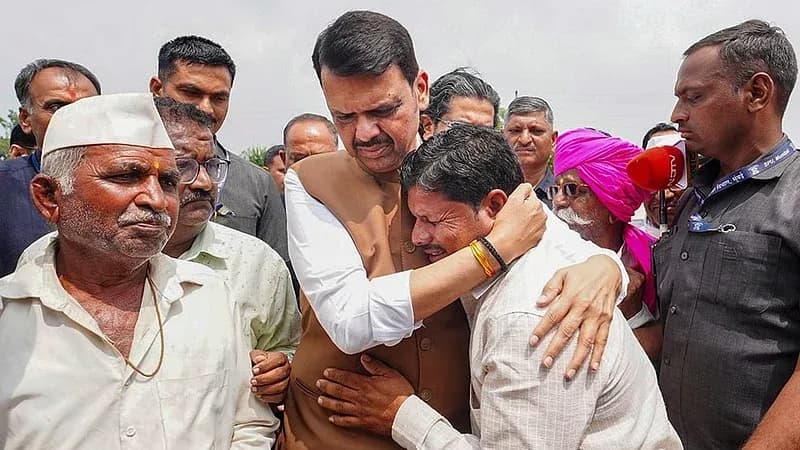
Maharashtra's decision to declare 265 talukas drought-affected has triggered questions from both ruling alliance leaders and the Opposition. While some areas represented by Mahayuti leaders have been excluded, the MVA has questioned the transparency of the assessment process.
Tamil Nadu has a strong industrial and manufacturing base, making economic development another major political issue.
Investment, employment, infrastructure, manufacturing and technology are important areas for the state's future growth.
Political leaders face the challenge of encouraging new investment while ensuring that economic development creates employment opportunities and benefits communities across the state.
The Role of Political Parties
Tamil Nadu has a competitive political environment involving major regional and national parties.
The organisational strength of Political Parties, leadership, alliances and candidate selection can significantly influence elections.
Parties also use public meetings, campaign programmes and political speeches to communicate their policies and connect with voters.
Elections and Voter Priorities
State elections provide Tamil Nadu voters with an opportunity to evaluate the performance of the government and choose representatives for the Legislative Assembly.
Election campaigns often focus on welfare, employment, education, infrastructure, agriculture and regional interests.
Voters may also consider the leadership and election promises of competing parties before making their decisions.
Following Vidhan Sabha (opens in a new tab) developments can help citizens understand the direction of Tamil Nadu's state government.
Youth and Changing Political Expectations
Young voters are becoming increasingly important in Tamil Nadu politics.
Employment, higher education, technology, entrepreneurship and opportunities in emerging industries are important concerns for younger generations.
Political parties increasingly need to address these expectations while also responding to long-standing issues involving welfare and social development.
Tamil Nadu and National Politics
Tamil Nadu also has an important role in national politics because of its representation in Parliament.
Regional political parties can influence national alliances and policy discussions, particularly when parliamentary numbers make regional support important.
As a result, political developments in Tamil Nadu can have implications beyond the state.
The Future of Tamil Nadu Politics
The state's political future is likely to be shaped by a combination of regional identity, economic development, welfare policies and changing voter expectations.
Urbanisation and technological development are creating new political concerns, while agriculture and rural development remain important for many communities.
Tamil Nadu's political landscape reflects the state's distinctive history, culture and development priorities. Regional identity, welfare, economic growth and electoral competition continue to influence political debates.
For citizens, understanding state-level Politics (opens in a new tab) and following the work of elected representatives can help build greater awareness of governance and democracy.
As Tamil Nadu continues to develop, the ability of political parties and governments to respond to changing public expectations will remain central to the state's political future.
“Tamil Nadu has a distinctive political landscape shaped by regional identity, welfare policies, social development and strong competition between political parties. These factors continue to influence governance, elections and the state's political future.”
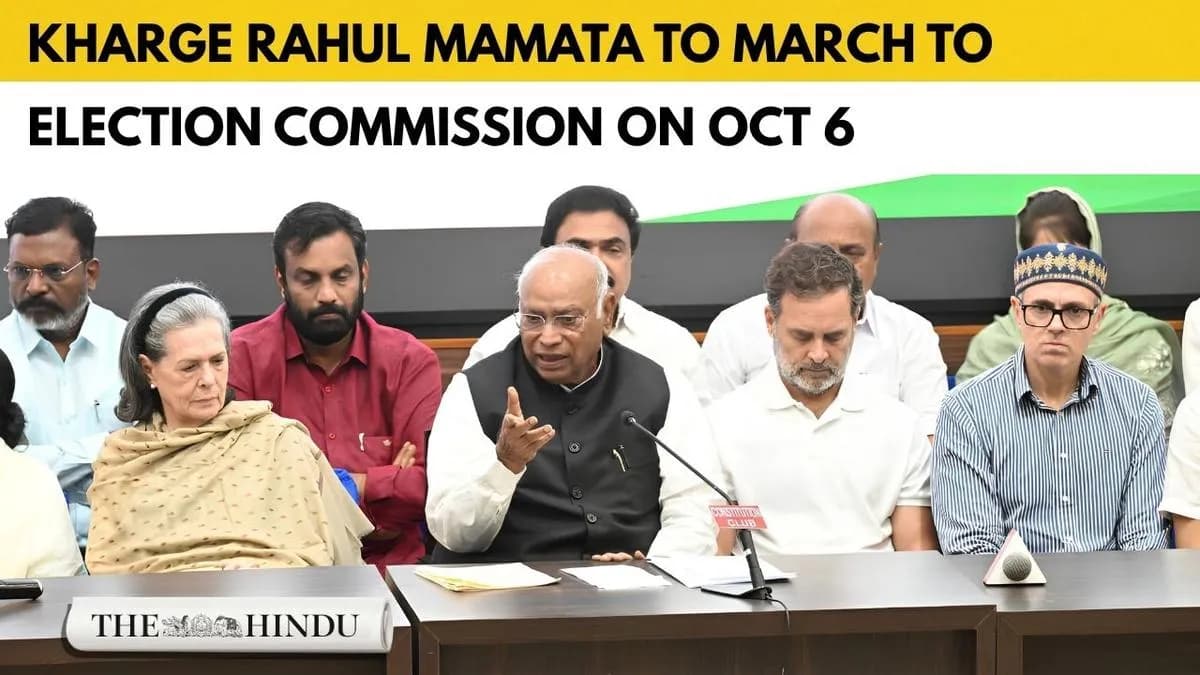
The INDIA bloc has announced a nationwide campaign over concerns related to the Election Commission and electoral processes. The Opposition plans protests, a march to the Election Commission headquarters, and a legal challenge to provisions of the Chief Election Commissioner Act, 2023.
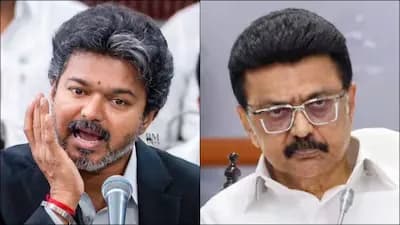
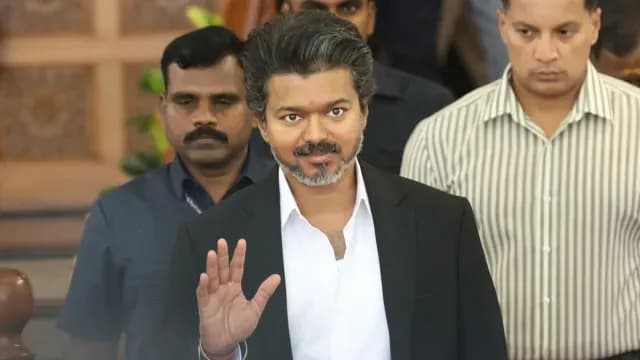
Discussions between Chief Minister C. Joseph Vijay's Tamilaga Vettri Kazhagam (TVK) and the Pattali Makkal Katchi (PMK) have intensified, with reports suggesting alliance talks and possible Cabinet representation. However, no official announcement has been made by either party.
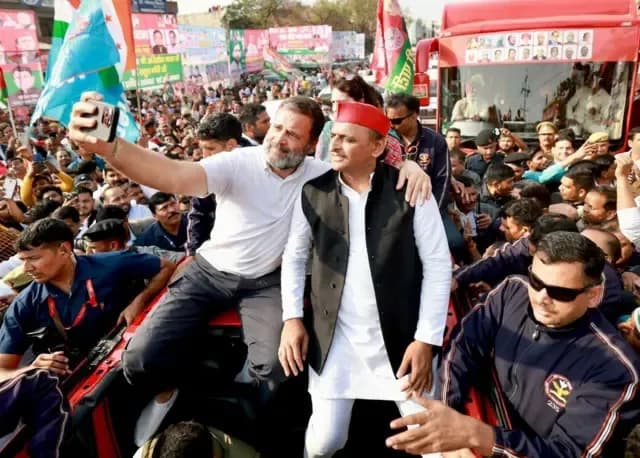
With the Uttar Pradesh Assembly election approaching in 2027, the Samajwadi Party and Congress are working to strengthen their alliance after their improved performance in the 2024 Lok Sabha elections. Political observers believe the opposition has an important opportunity, but unity and effective seat-sharing will be crucial.
By Shivani CH • 96 views
Goa's political activity is intensifying ahead of the 2027 Assembly election as AAP and Goa Forward Party continue with their “Goa First” alliance, while reports of Congress-GFP discussions create fresh questions about the opposition's electoral strategy. The BJP is also strengthening its organisation, while the electoral-roll revision issue remains in focus.