Legal Challenge to Udhayanidhi Stalin's Election Victory: Madras High Court Refuses to Dismiss Petition
What Happened in the 2026 Assembly Elections?
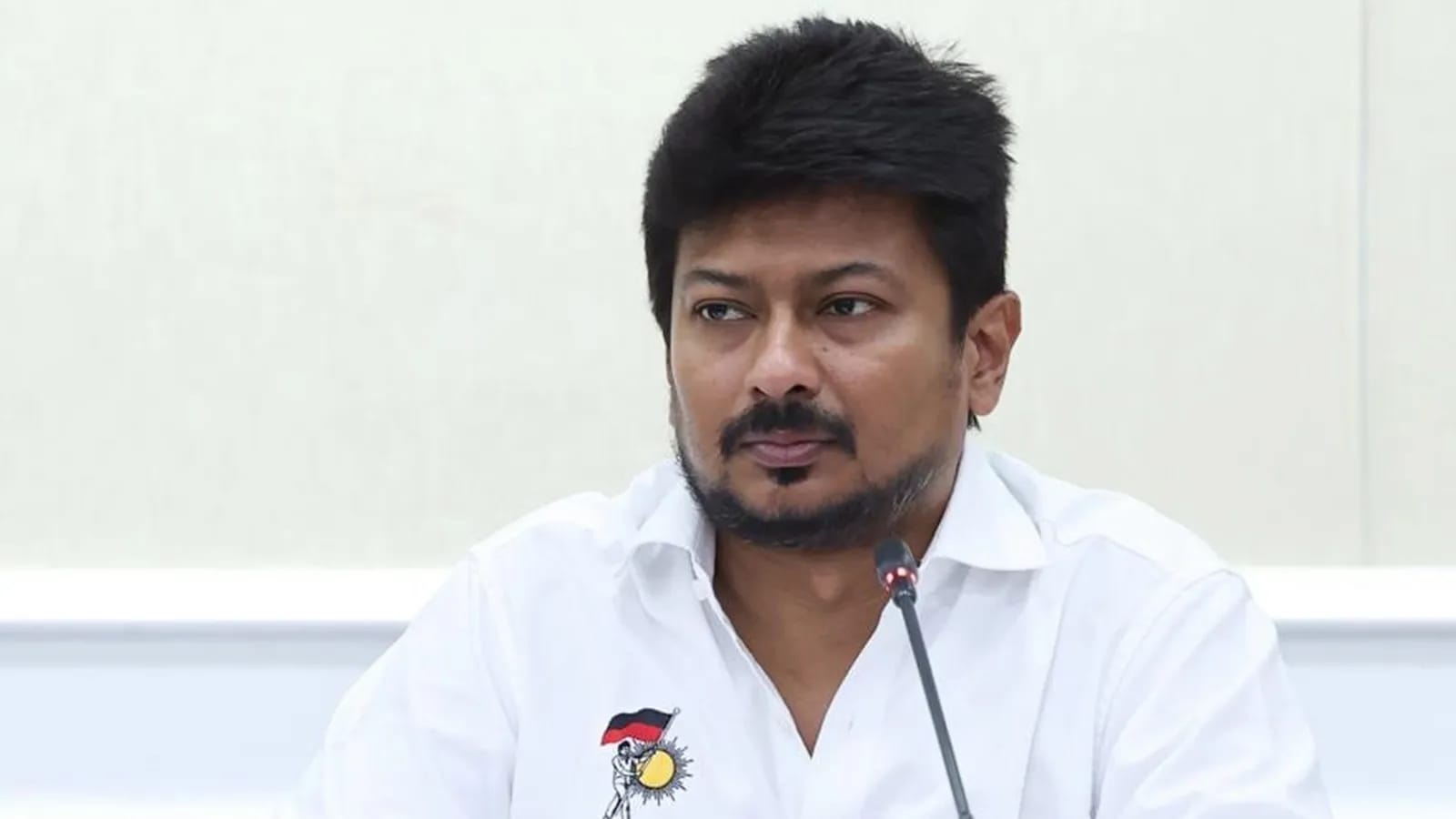
Udhayanidhi Stalin contested from the Chepauk-Thiruvallikeni constituency in the 2026 Tamil Nadu Assembly elections.
He secured 62,992 votes and defeated his nearest rival, D. Selvam of Tamilaga Vettri Kazhagam (TVK), who received 55,852 votes.
Independent candidate P. Milany also contested the election and secured 30 votes.
Following the election results, Milany approached the legal system and filed an election petition challenging aspects of Udhayanidhi Stalin's election.
Why Was the Election Victory Challenged?
The petition reportedly raises questions concerning Udhayanidhi Stalin's nomination papers and election affidavit.
The petitioner sought access to election-related documents, including the accepted nomination form, accompanying affidavit, objections raised during the scrutiny process and decisions taken by the Returning Officer.
After initially approaching the Election Commission for these records, Milany approached the Madras High Court seeking access to the relevant documents.
The court subsequently directed that the requested election records be supplied.
Based on the documents obtained, the petitioner proceeded with the election petition.
The allegations include claims concerning declarations in the election affidavit and alleged irregularities relating to the election process. These claims remain matters for judicial examination.
Why Did the Madras High Court Reject Udhayanidhi Stalin's Applications?
Udhayanidhi Stalin had filed preliminary applications seeking rejection of the election petition and removal of certain pleadings.
One of the arguments raised on his behalf concerned the statutory 45-day period for filing an election petition under the Representation of the People Act.
However, on November 13, 2026, the Madras High Court rejected the preliminary applications seeking to dismiss the petition at the initial stage.
The court directed Udhayanidhi Stalin to file his written statement within four weeks.
This means the legal proceedings will continue, and the parties will have an opportunity to present their respective arguments.
Importantly, the court's decision at this stage should not be interpreted as a final judgment on the allegations or the validity of Udhayanidhi Stalin's election.
Conclusion
The Madras High Court's November 13 decision marks an important development in the legal challenge concerning Udhayanidhi Stalin's 2026 election victory.
The direction to submit a written response within four weeks means the matter will continue through the judicial process.
For the DMK, it is a politically sensitive development. For the opposition, it presents an opportunity to raise questions about electoral transparency. For the public, the most important expectation is a fair and impartial legal examination.
Join the discussion
Comments (0)