Mayawati Removes Akash Anand From BSP: A Major Leadership Shake-Up | Indian Rajneeti
BREAKING
Uttar Pradesh Politics Heats Up as Yogi Adityanath Targets 115 Key Seats Ahead of 2027 Assembly Polls • Rajasthan Civic Polls 2026: Voting Begins as BJP Faces Rebel Challenge • Yogi Adityanath Targets 2027 UP Elections, Says BJP Will Return With a Grand Majority
Mayawati Removes Akash Anand From BSP: A Major Leadership Shake-Up
Haripriya 10 Sept 2026 3 min read 196 views
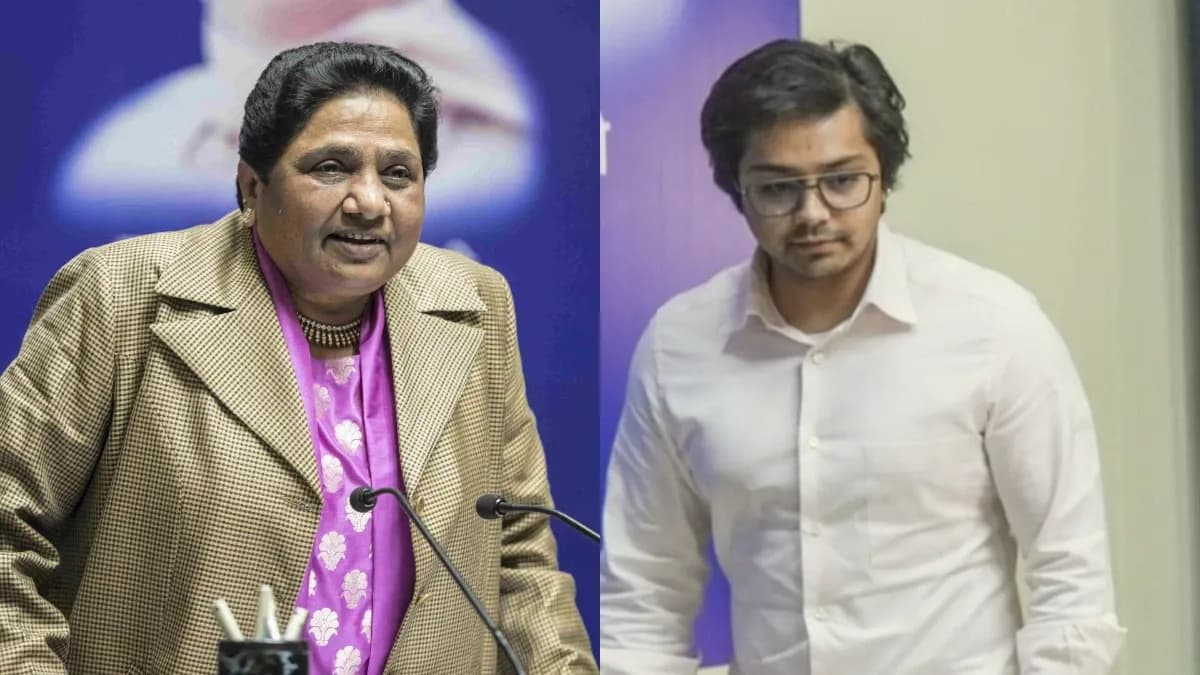
Indian politics has witnessed a major development within the Bahujan Samaj Party (BSP) after party chief Mayawati removed her nephew Akash Anand from the organisation. The decision comes after a series of developments involving Anand and his father-in-law, former Rajya Sabha member Ashok Siddharth, putting the BSP's internal leadership structure back in the spotlight.
The move is significant because Akash Anand had emerged as one of the prominent younger faces of the BSP and had been viewed as an important part of discussions surrounding the party's future leadership.
Mayawati Takes Strong Action
According to reports, Mayawati decided to remove Akash Anand after expressing dissatisfaction with his response to the political developments surrounding Ashok Siddharth. Mayawati had earlier asked Siddharth to retire from active politics, a request that he subsequently accepted.
Mayawati reportedly viewed Anand's position on the matter as insufficiently aligned with the party's interests. The BSP chief has stressed the importance of putting the organisation and its political mission above personal and family relationships.
The decision demonstrates that Mayawati continues to exercise strong control over the BSP and its organisational affairs.
Akash Anand's Political Journey
Akash Anand had become increasingly visible in BSP activities and was seen as a younger representative of the party. His rise had attracted attention because the BSP has traditionally been closely associated with Mayawati's leadership.
The emergence of a younger leadership generation has been an important question for the party. With Mayawati remaining the central figure, the question of how the BSP will develop its leadership structure for the future has continued to attract political attention.
Maharashtra's decision to declare 265 talukas drought-affected has triggered questions from both ruling alliance leaders and the Opposition. While some areas represented by Mahayuti leaders have been excluded, the MVA has questioned the transparency of the assessment process.
The latest decision could therefore have consequences beyond one individual and may influence the party's organisational strategy in the coming months.
Impact on Uttar Pradesh Politics
Uttar Pradesh remains one of the most politically important states in India, with the BSP continuing to maintain a distinct political identity despite changes in its electoral performance.
The party's core political influence has historically been connected with Dalit representation and its social coalition strategy. Any major change in its leadership structure can therefore have implications for the broader political competition in the state.
The latest development is likely to be closely watched by the BJP, Congress, Samajwadi Party and other Political Parties operating in Uttar Pradesh.
A New Political War?
The removal of Akash Anand could also lead to a new phase of political debate (opens in a new tab) over the BSP's direction. Rival parties may attempt to interpret the decision as evidence of internal uncertainty, while BSP supporters are likely to see it as an organisational decision taken by the party leadership.
In India's highly competitive political environment, internal decisions within major parties frequently become part of the wider Political War between competing political formations.
For the BSP, maintaining organisational discipline while rebuilding its political base will remain a major challenge.
Focus on Youth Politics
The development also raises questions about Youth Politics within the BSP. Akash Anand had represented a younger generation of leadership, and his removal could influence discussions about how the party plans to attract young voters and build its next generation of leaders.
Young voters remain an important political constituency in Uttar Pradesh. Employment, education, entrepreneurship, social justice and digital connectivity are increasingly important issues for this demographic.
Political parties (opens in a new tab) that successfully combine experienced leadership with younger organisational faces could gain an advantage in future elections.
What Does This Mean for the BSP?
Mayawati's latest decision indicates that she remains firmly in control of the BSP's political and organisational direction. The immediate priority for the party will be to maintain unity and strengthen its organisational network.
The BSP will also need to communicate its political strategy clearly to supporters and voters. At a time when Uttar Pradesh politics remains highly competitive, organisational stability will be essential.
The decision to remove Akash Anand is therefore not simply a change involving one party leader. It is part of a larger conversation about leadership, succession, organisational discipline and the future direction of the BSP.
As Uttar Pradesh continues to remain a crucial battleground in Indian Politics, the next steps taken by Mayawati and the BSP will be closely watched by political observers and voters alike.
“BSP chief Mayawati has removed her nephew Akash Anand from the Bahujan Samaj Party following a fresh internal dispute involving Anand and his father-in-law, former Rajya Sabha MP Ashok Siddharth. The decision has renewed attention on the BSP’s leadership structure, succession debate and future political strategy.”
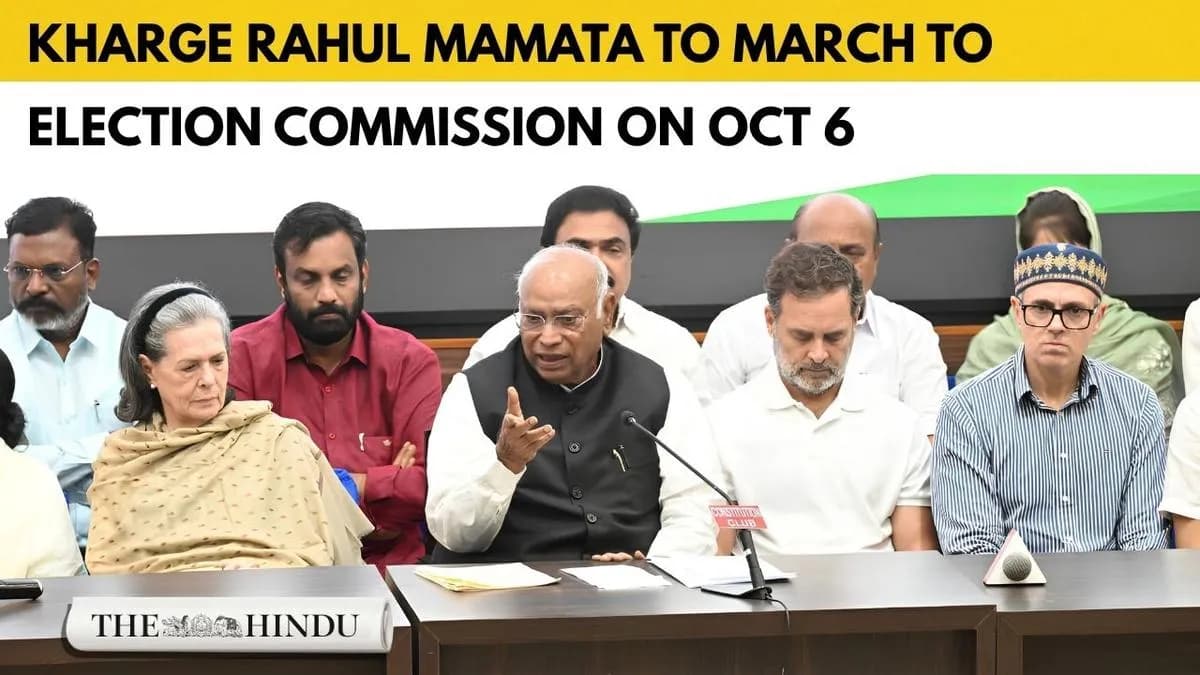
The INDIA bloc has announced a nationwide campaign over concerns related to the Election Commission and electoral processes. The Opposition plans protests, a march to the Election Commission headquarters, and a legal challenge to provisions of the Chief Election Commissioner Act, 2023.
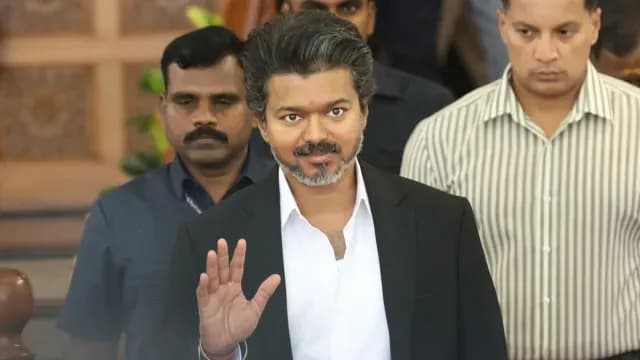
Discussions between Chief Minister C. Joseph Vijay's Tamilaga Vettri Kazhagam (TVK) and the Pattali Makkal Katchi (PMK) have intensified, with reports suggesting alliance talks and possible Cabinet representation. However, no official announcement has been made by either party.
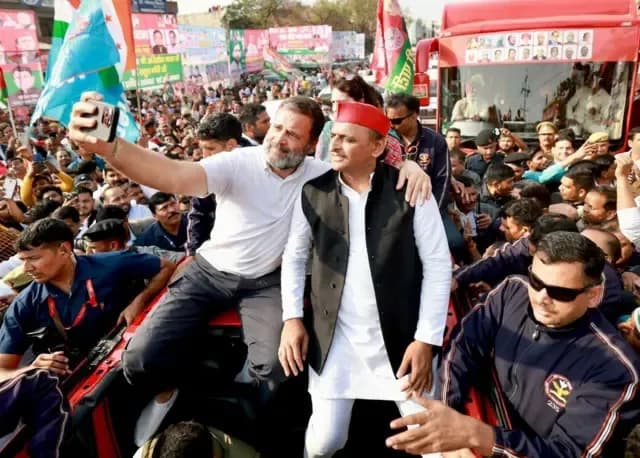
With the Uttar Pradesh Assembly election approaching in 2027, the Samajwadi Party and Congress are working to strengthen their alliance after their improved performance in the 2024 Lok Sabha elections. Political observers believe the opposition has an important opportunity, but unity and effective seat-sharing will be crucial.
By Shivani CH • 98 views
Goa's political activity is intensifying ahead of the 2027 Assembly election as AAP and Goa Forward Party continue with their “Goa First” alliance, while reports of Congress-GFP discussions create fresh questions about the opposition's electoral strategy. The BJP is also strengthening its organisation, while the electoral-roll revision issue remains in focus.