Telangana Rainfall Deficit: Farmers Face Crop Losses as
BREAKING
UP MLC Election Results 2026: BJP and Samajwadi Party Win Key Seats as Counting Continues • Karnataka MLC Polls 2026: BJP-JD(S) Alliance Secures All Four Seats • Bihar MLC Elections 2026: Jan Suraaj Wins Darbhanga Graduate Seat as Results Emerge • Congress and BJP Step Up Political Campaigns Ahead of 2027 Assembly Elections • Rajya Sabha Secretariat Seeks Report on John Brittas’ Alleged Assault During Protest
Telangana Rainfall Deficit: Farmers Face Crop Losses as Assembly Takes Up El Niño Impact
Haripriya 16 Sept 2026 3 min read 110 views
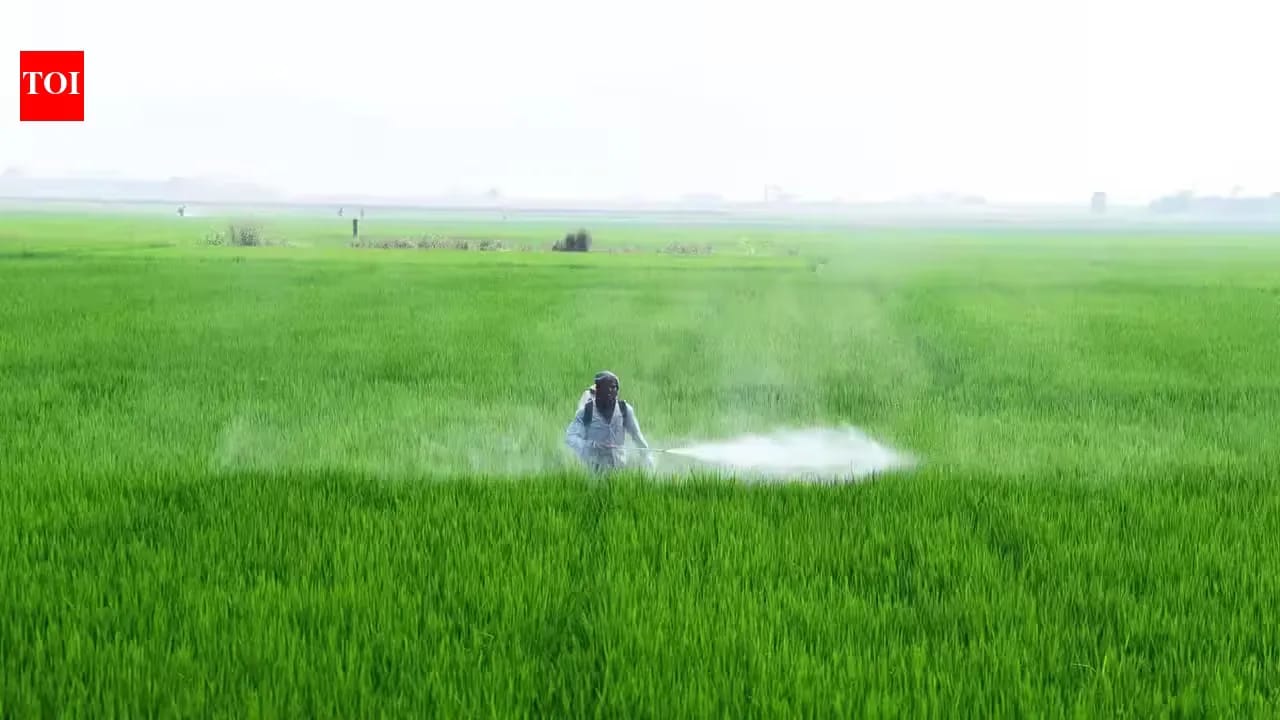
Telangana, September 16, 2026: A growing rainfall deficit has emerged as a major concern for Telangana's farmers, with several districts experiencing inadequate rainfall during the current monsoon season. The situation has affected crops including paddy, cotton and vegetables and has increased concerns about water availability.
According to Agriculture Department data, Telangana received 485.9 mm of rainfall between June 1 and September 9, compared with the normal 629.4 mm during the same period. The state recorded a 23 per cent rainfall deficit across 19 of its 33 districts, while 15 districts reported deficits exceeding 30 per cent.
The rainfall shortage has affected cultivation in several areas. Farmers have reported drying crops and difficulties in maintaining agricultural fields because of inadequate water sources. Paddy cultivation has been particularly affected, with the area under the crop standing below the normal acreage.
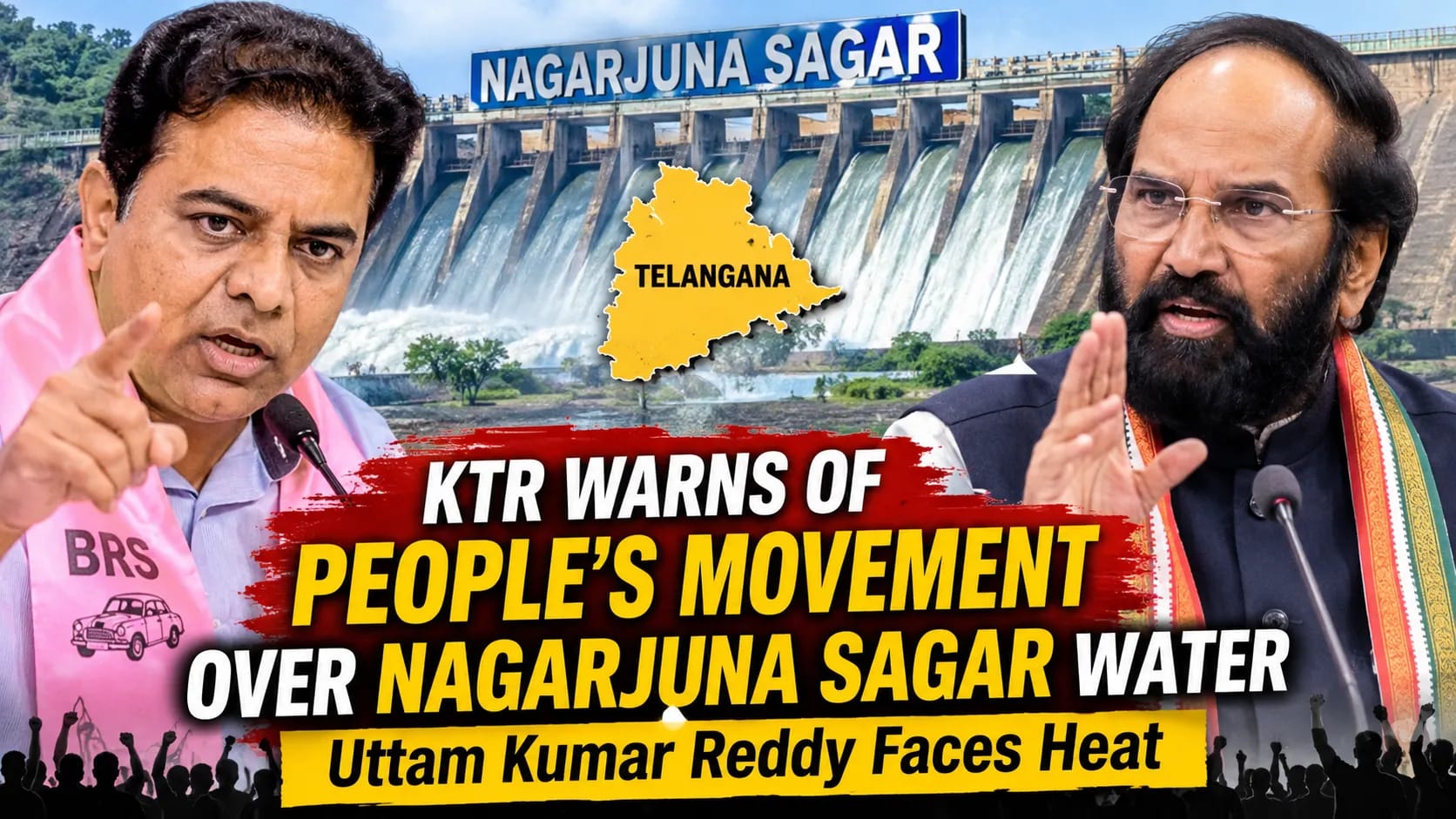
The political battle over Krishna River water has intensified in Telangana, with BRS working president K.T. Rama Rao (KTR) accusing the Congress government led by Chief Minister A. Revanth Reddy of failing to protect the state's water interests. Raising concerns over Andhra Pradesh's alleged plans to divert water from the Nagarjuna Sagar reservoir, KTR warned that BRS would launch a major people's movement if the government allowed Telangana's water rights to be compromised. The controversy has placed Irrigation Minister N. Uttam Kumar Reddy under political pressure, with KTR questioning the government's response and demanding immediate clarification.
By C Sunil Kumar • 7 views
The Agriculture Department reported that the total area sown in Telangana stood at 123.08 lakh acres, compared with the normal 132.38 lakh acres. Paddy was cultivated on 54.26 lakh acres against a normal 65.96 lakh acres, while cotton covered 48.24 lakh acres.
The situation has become an important issue in Telangana Politics, with agricultural distress likely to receive attention from the government, opposition parties and farmer organisations.
The Telangana Assembly is scheduled to discuss the effects of El Niño and possible remedial measures on September 16. The discussion is expected to focus on rainfall conditions, crop losses, water management and steps that can be taken to support affected farmers.
Water storage has also declined. Data covering reservoirs in Telangana and Andhra Pradesh showed storage falling from 886 TMCft to 507 TMCft, adding to concerns over water availability during the remainder of the season.
The India Meteorological Department has indicated that isolated thunderstorm activity could occur during the next two weeks. However, the southwest monsoon is expected to begin withdrawing from September 18, while the possibility of significant rainfall will depend partly on weather systems forming in the Bay of Bengal.
Farmer organisations have called for measures including drought declarations in deficit mandals, assessment of crop losses, financial assistance, fodder and water for cattle, and rescheduling of crop loans. These are demands raised by farmer representatives and are separate from any government decision on relief.
The issue is expected to remain a focus for Political Parties (opens in a new tab) in the state. Agricultural conditions, irrigation and farmer support have historically been significant subjects of public debate in Telangana.
The rainfall situation could also lead to a broader Political War (opens in a new tab) over the government's response to crop losses and water shortages. Government representatives and opposition leaders may present different assessments of the situation and the measures required.
Politicians are also expected to engage with farmers and raise the issue in legislative and public forums. Government announcements and Assembly discussions will provide further information about proposed relief and mitigation measures.
The situation has implications for Youth Politics as well, particularly for rural families and young people dependent on agriculture and allied activities for their livelihoods.
Public Opinions about the government's response are likely to develop as information on crop damage, rainfall and relief measures becomes available. The actual scale of losses will become clearer through field-level assessments.
The developments will also be relevant to future Elections Results (opens in a new tab), as agricultural policy and rural economic conditions are important subjects during electoral campaigns. However, the immediate focus remains on managing the current rainfall deficit and supporting affected farmers.
Political leaders may use public Speech (opens in a new tab) programmes, Assembly debates and meetings with farmer organisations to communicate their positions on the issue. Further announcements from the state government will be important in determining the next steps.
The Telangana rainfall deficit therefore represents both an agricultural and governance challenge. With the Assembly scheduled to discuss El Niño-related effects, attention will now focus on the measures announced by the government and their implementation on the ground.
“Telangana is facing a significant rainfall deficit, with farmers in several districts reporting crop stress and losses. The state Assembly is scheduled to discuss the effects of El Niño and possible remedial measures as concerns grow over water availability and agricultural output.”
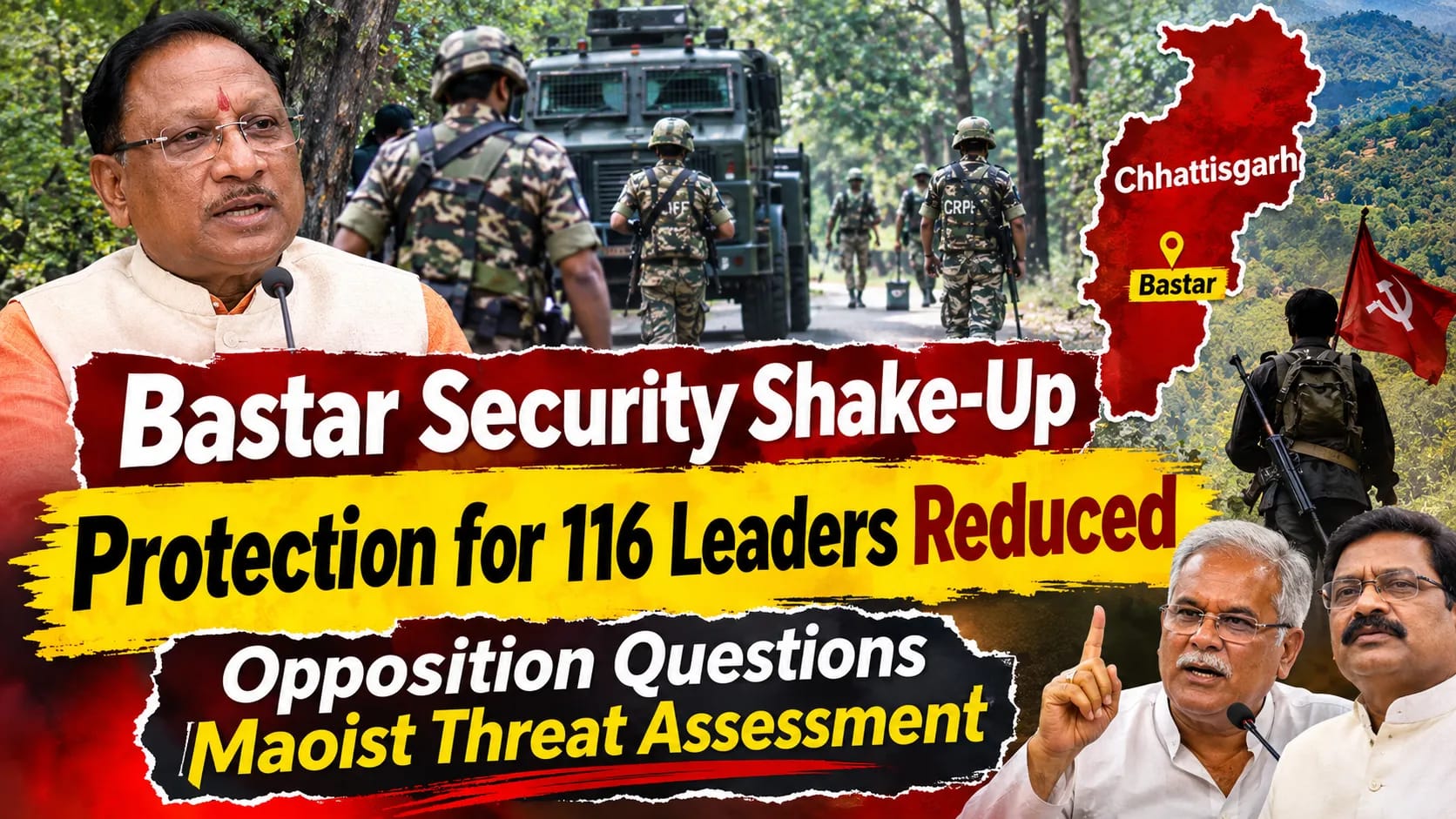
A security review in Bastar has triggered fresh political debate in Chhattisgarh after protection for 116 leaders was reportedly reduced. The decision has raised questions over security assessments, the continuing Maoist threat and the political implications of withdrawing protective arrangements.
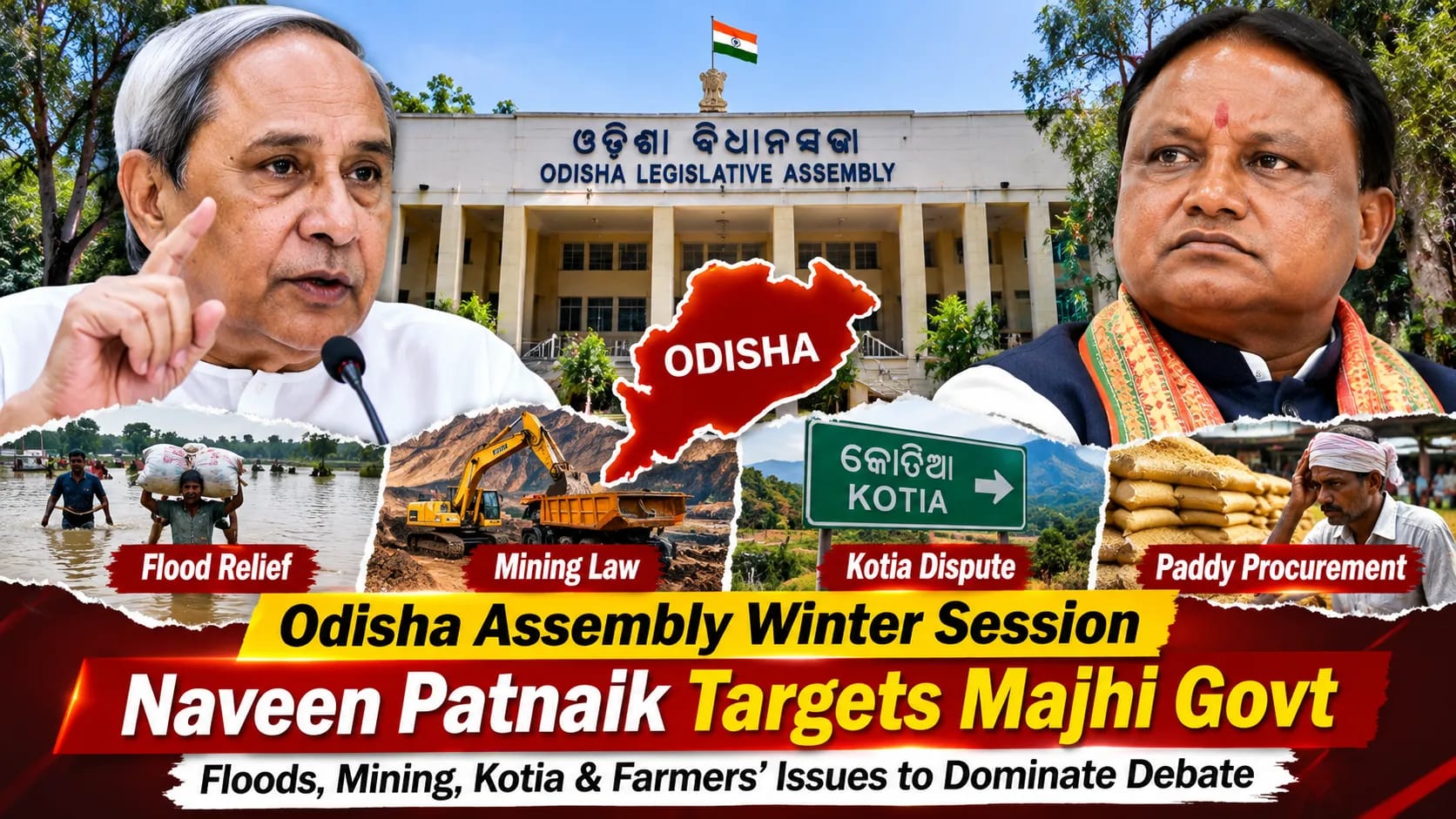
The BJD is preparing a broad political offensive against the Odisha government, raising Ganjam flood relief, the Kotia dispute, mining legislation, paddy procurement, prices and law-and-order concerns during the Assembly's winter session.
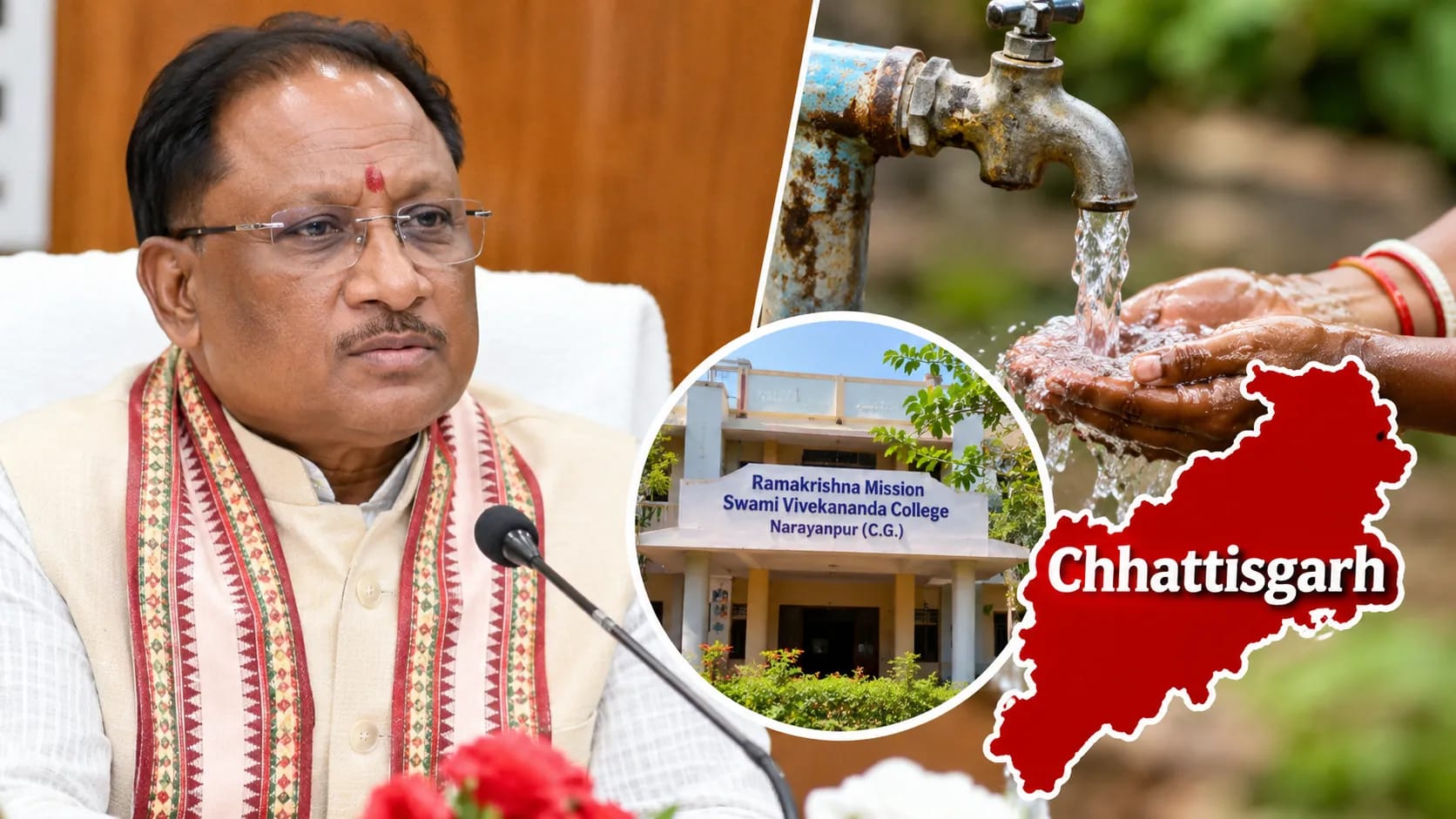
The Chhattisgarh government has approved new rules for rural tap water supply management and a three-year financial package worth ₹40.98 crore for a college serving tribal students in the remote Abujhmad region.
By Sucharita Mohanty • 10 views
Have a question or enquiry?
Our team is here to help with general questions, partnerships, corrections and feedback.


Join the discussion
Comments (0)