Karnataka Politics: Governance, Development and Political Competition
BREAKING
Uttar Pradesh Politics Heats Up as Yogi Adityanath Targets 115 Key Seats Ahead of 2027 Assembly Polls • Rajasthan Civic Polls 2026: Voting Begins as BJP Faces Rebel Challenge • Yogi Adityanath Targets 2027 UP Elections, Says BJP Will Return With a Grand Majority
Karnataka Politics: Governance, Development and Political Competition
Haripriya 11 Sept 2026 3 min read 652 views
Introduction
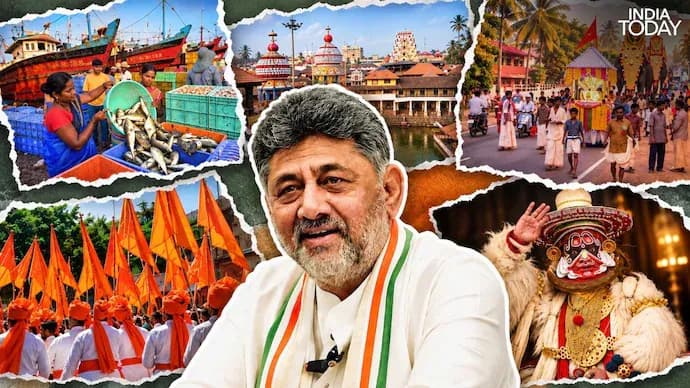
Karnataka has an important position in India's political landscape. The state combines major urban centres such as Bengaluru with large rural and agricultural regions, creating a diverse set of political priorities.
Karnataka Politics is shaped by competition between major political parties, regional concerns and issues related to governance and development. Voters regularly assess government performance based on both state-wide policies and issues affecting their local communities.
Major Issues in Karnataka Politics
Several issues regularly influence political discussions in Karnataka. Employment, infrastructure, agriculture, education, healthcare and public services remain important concerns for citizens.
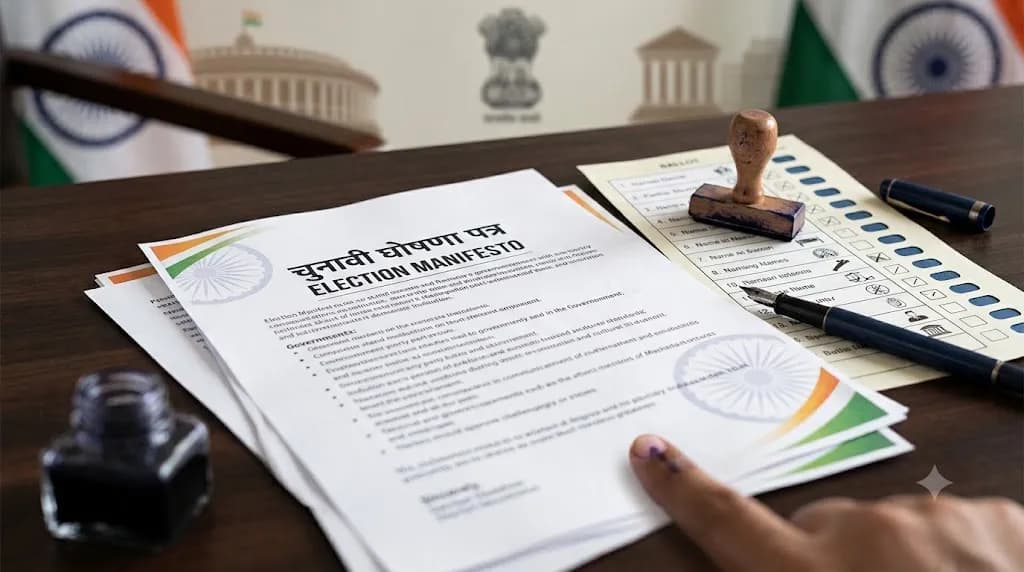
Election manifestos outline political parties’ stated priorities and policy proposals. Examining their details and comparing them with official records helps citizens follow government commitments and implementation.
Bengaluru's rapid growth has also made traffic, public transport, water management, urban infrastructure and housing important political issues. At the same time, farmers and rural communities often focus on irrigation, crop prices, rural roads and agricultural support.
The combination of urban and rural concerns makes Karnataka's political environment particularly diverse.
Role of Political Parties
Karnataka has traditionally witnessed strong competition among major national parties and regional political forces.
The organisation and grassroots presence of Political Parties can play an important role during elections. Parties attempt to connect with voters through public meetings, campaigns, policy announcements and local-level outreach.
Leadership also plays a significant role, as voters often compare the performance and promises of different political leaders before elections.
Governance and Development
Governance remains one of the central issues in Karnataka's political debate.
State governments must balance spending on infrastructure and economic development with welfare programmes and public services. Major cities require continued investment in roads, transportation and urban facilities, while rural areas require attention to agriculture, irrigation and basic infrastructure.
The effectiveness of government programmes can significantly influence public opinion.
Bengaluru and Karnataka Politics
Bengaluru has a unique influence on Karnataka's political landscape because it is the state's largest city and an important technology and business hub.
Issues such as traffic congestion, flooding, water availability, public transport and urban planning frequently become subjects of political discussion.
At the same time, political decisions affecting Bengaluru can have wider implications for the state's economy and development.
Rural and Agricultural Politics
Agriculture remains important to Karnataka's economy and political discussions.
Farmers' concerns can include rainfall, irrigation, crop prices, agricultural loans and access to markets. Political parties often make agricultural policies an important part of their election campaigns.
The ability of governments to respond to rural concerns can influence voter sentiment across many constituencies.
Elections and Political Competition
Karnataka elections are closely watched because the state can become an important political battleground for national parties.
During elections, parties focus on candidate selection, campaign strategies, public speeches and local issues. Voters assess government performance as well as the promises made by opposition parties.
Following Vidhan Sabha (opens in a new tab) developments can therefore provide valuable insight into the state's political direction.
The Role of Citizens
Citizens are at the centre of Karnataka's democratic process. Voting, participating in public discussions and understanding government policies can help strengthen democratic participation.
Social media has also changed how political information reaches voters. While digital platforms provide greater access to political debates, citizens should carefully evaluate information before accepting or sharing political claims.
Future of Karnataka Politics
Karnataka's political future will be influenced by several factors, including economic development, employment, infrastructure, agriculture and urbanisation.
The expectations of younger voters are also becoming increasingly important. Education, technology, employment opportunities and entrepreneurship are likely to remain significant topics in future political campaigns.
Karnataka politics reflects the diversity of the state itself. Urban development, agriculture, employment, welfare and infrastructure all contribute to the political conversation.
Strong political competition can encourage parties to respond to public concerns, while informed citizens and effective institutions remain essential for healthy democracy.
Understanding Karnataka's political landscape helps citizens follow the decisions that directly affect the state's development and future.
“Karnataka is one of India's politically significant states, with strong competition between major political parties and a wide range of regional and local issues. Governance, development, employment, agriculture and infrastructure continue to shape the state's political debate.”
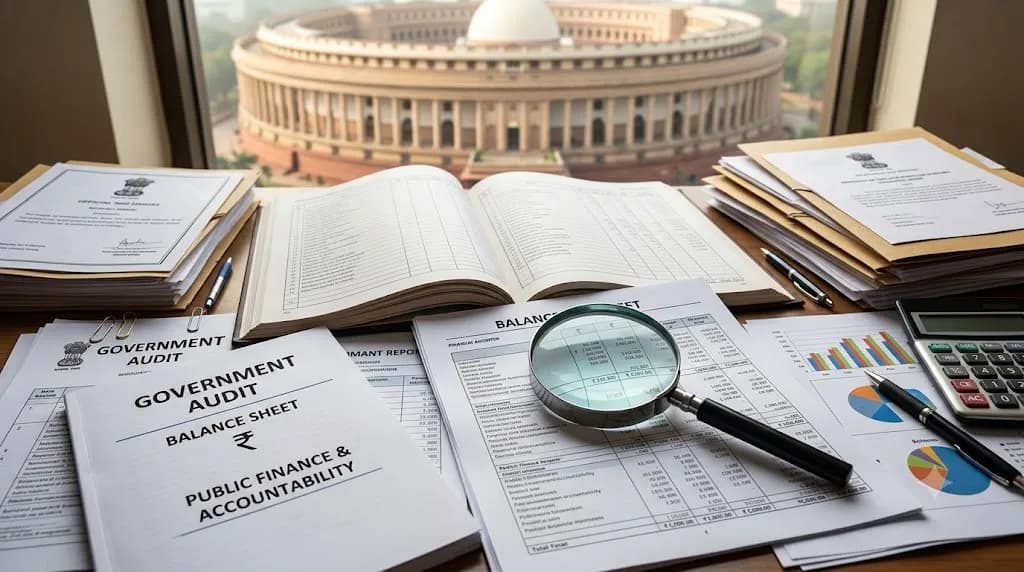
The Comptroller and Auditor General of India audits government finances under a constitutional framework. Its reports help legislatures and citizens examine public expenditure and financial accountability.
Electoral rolls determine who is registered to vote in a constituency. Understanding registration and verification procedures helps citizens check their details and identify issues before elections.
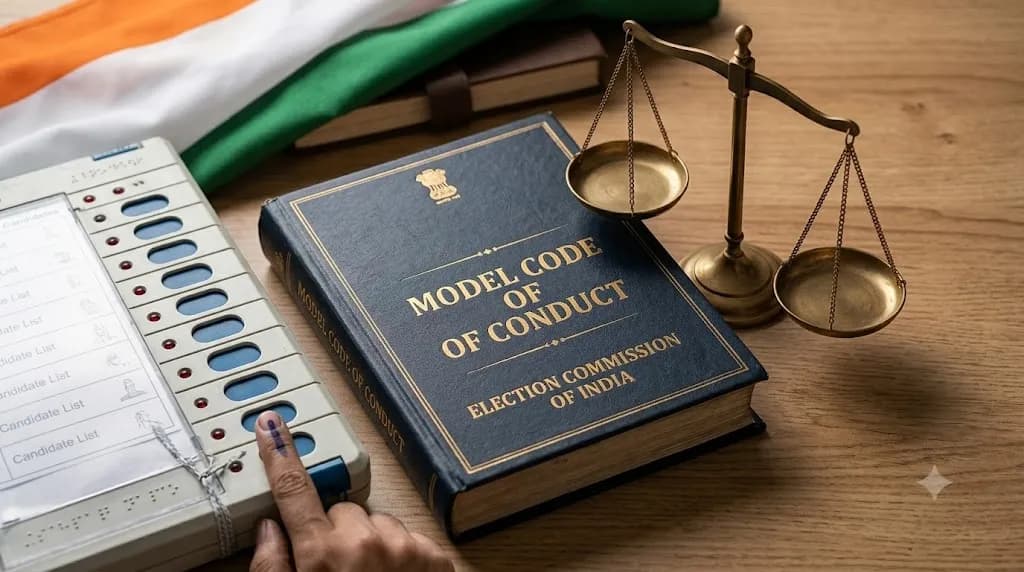
The Model Code of Conduct establishes guidelines for political parties and candidates during elections. It covers campaign behaviour, public resources and expectations for responsible political competition.
By Shivani CH • 4 views
Indian Politics
CJI Surya Kant Says Supreme Court Must Not Become a Political Battleground Amid Election Row


Join the discussion
Comments (0)