🇮🇳 Women’s Reservation Debate Gains Fresh Political Focus
BREAKING
UP MLC Election Results 2026: BJP and Samajwadi Party Win Key Seats as Counting Continues • Karnataka MLC Polls 2026: BJP-JD(S) Alliance Secures All Four Seats • Bihar MLC Elections 2026: Jan Suraaj Wins Darbhanga Graduate Seat as Results Emerge • Congress and BJP Step Up Political Campaigns Ahead of 2027 Assembly Elections • Rajya Sabha Secretariat Seeks Report on John Brittas’ Alleged Assault During Protest
🇮🇳 Women’s Reservation Debate Gains Fresh Political Focus as Om Birla Highlights New Leadership Opportunities
Haripriya 8 Sept 2026 4 min read 68 views
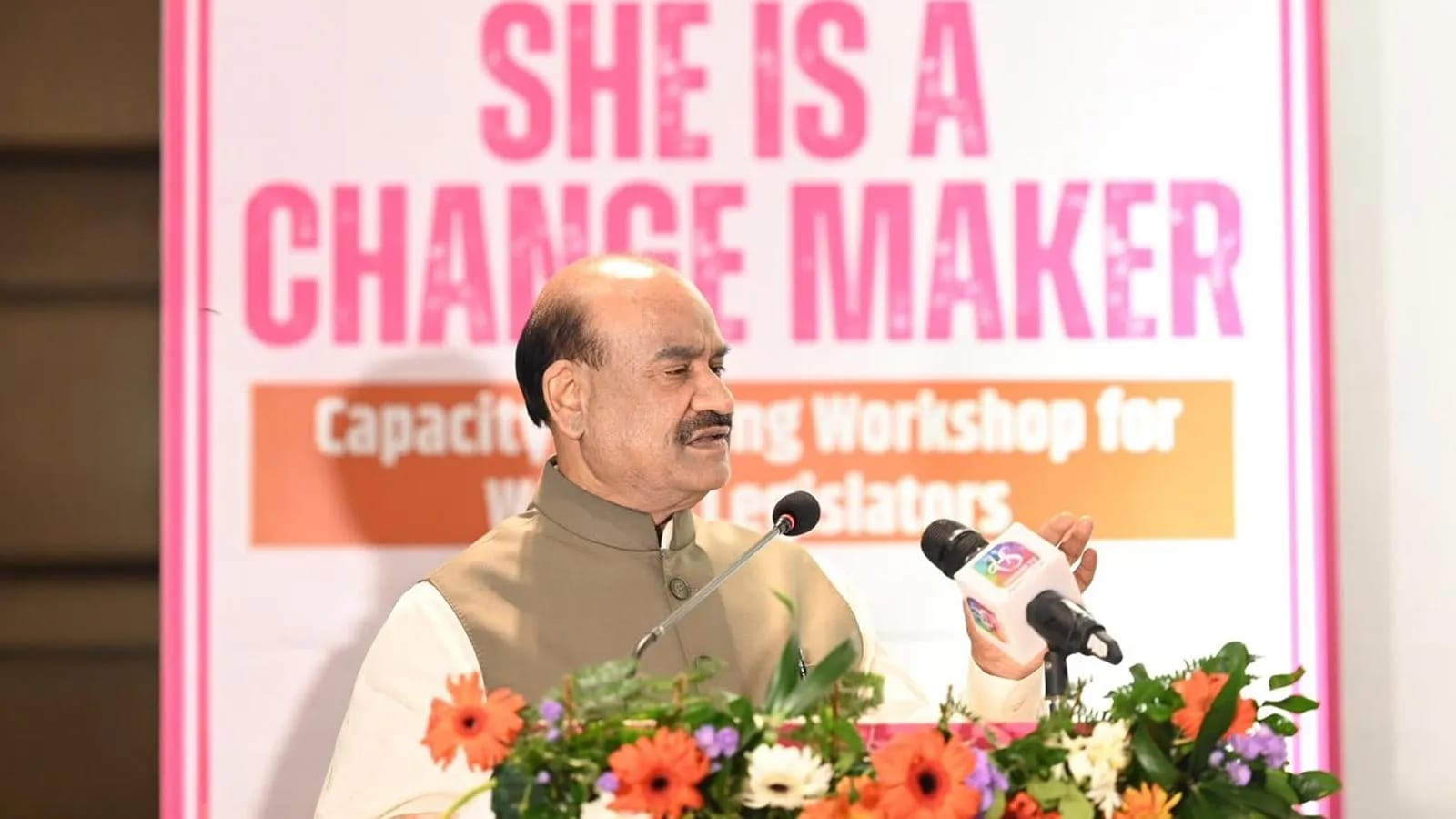
India's debate over women's political representation has gained fresh attention after Lok Sabha Speaker Om Birla highlighted the potential of the 33% reservation for women in the Lok Sabha and state Assemblies.
Speaking at a national workshop on gender-responsive governance in Faridabad, Birla said greater representation could open new leadership opportunities for women across India's political system.
The issue is particularly significant as political parties prepare for the next major electoral cycle and discussions continue over how the women's reservation framework will be implemented.
33% Reservation Could Change Political Representation
The women's reservation law provides for 33% reservation for women in the Lok Sabha and state Legislative Assemblies.
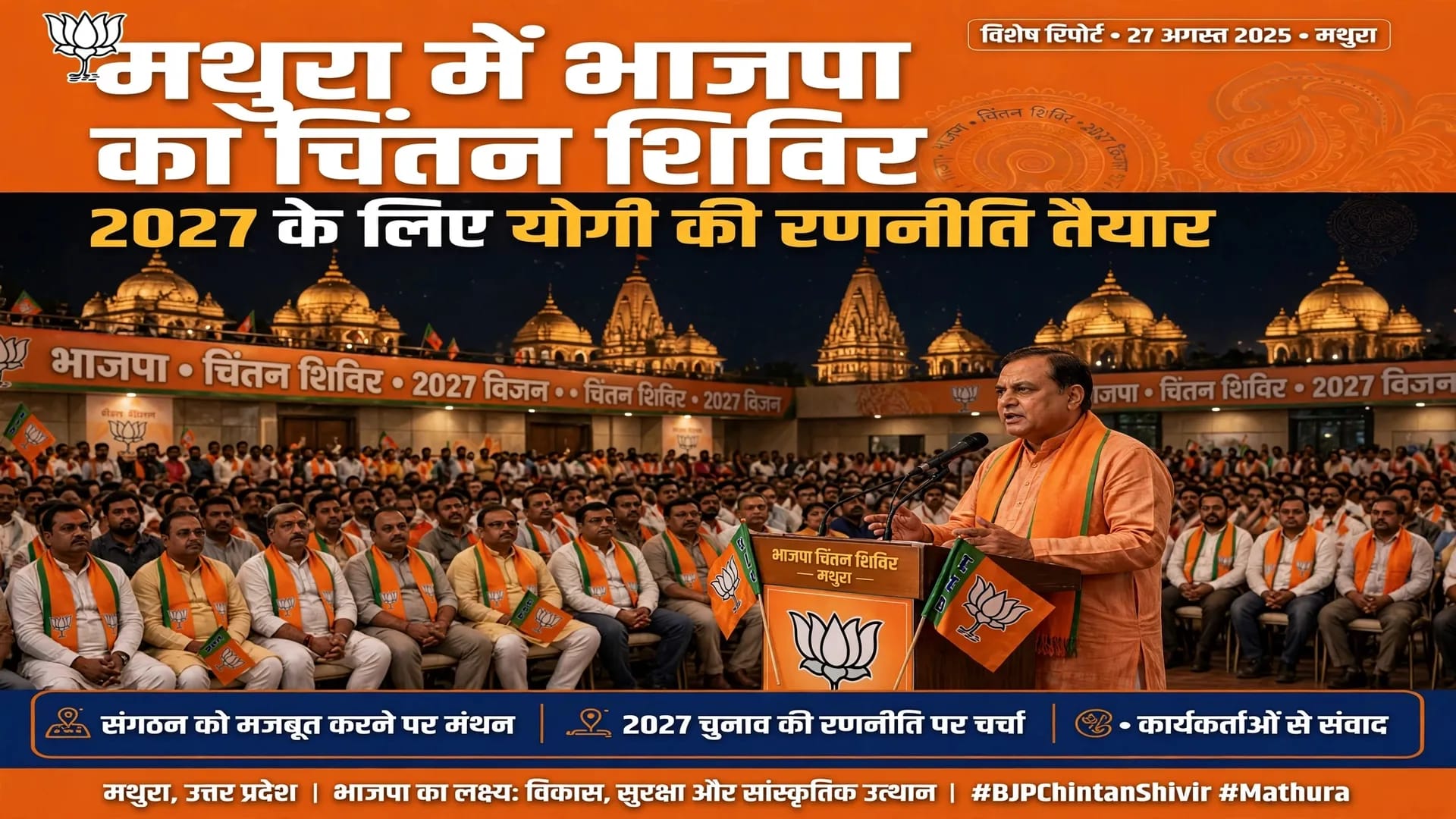
कृष्ण की नगरी से भाजपा ने दिया विकास, सुरक्षा और संस्कृति का संदेश
The measure is intended to increase women's participation in elected institutions and create a larger pipeline of women leaders at both the national and state levels.
Birla argued that women's leadership can bring greater sensitivity to public concerns and contribute to more responsive governance.
The implementation of the reservation, however, is connected to the broader processes of delimitation and the census, making its practical rollout an important political and constitutional issue.
Why the Issue Matters Ahead of 2029
The question of women's representation is expected to remain an important part of national politics as parties begin thinking about future electoral strategies.
For the BJP, Congress and regional parties, the issue presents an opportunity to demonstrate their commitment to increasing women's participation in decision-making.
Political organisations may also face pressure to increase the number of women candidates they nominate, even beyond constitutionally mandated reservations.
This could potentially influence candidate selection, campaign strategies and internal party structures.
Political Parties Face a New Challenge
The women's reservation debate could also change the way political parties approach elections.
For decades, women have participated actively as voters, campaigners and grassroots workers, but their representation among elected lawmakers has remained comparatively limited.
The reservation framework could encourage parties to develop stronger leadership programmes for women and identify candidates with experience in local governance, social work and public administration.
It may also create opportunities for younger women leaders to move from grassroots politics into state and national institutions.
Delimitation Remains a Key Issue
One of the most important questions surrounding implementation is delimitation.
The number and boundaries of parliamentary and Assembly constituencies can affect how reserved seats are distributed.
The government has previously sought to link the implementation of women's reservation with the delimitation process. An earlier attempt to advance a constitutional amendment connected to delimitation did not secure the required two-thirds majority in the Lok Sabha.
This means that the issue remains closely connected to the wider debate over India's electoral map and political representation.
Impact on BJP and Opposition
The issue could become politically significant for both the ruling BJP and Opposition parties.
The BJP is likely to highlight the legislation as part of its broader governance and representation agenda, while Opposition parties may focus on questions surrounding implementation, timelines and the actual number of women candidates fielded by different parties.
For the Congress and other Opposition groups, the issue could also become part of a larger campaign around social representation and political inclusion.
Regional parties are likely to have their own perspectives because changes in constituency boundaries and reserved seats could affect their electoral calculations.
Women Leaders Could Gain Greater Space
If implemented effectively, women's reservation could create opportunities for a new generation of political leaders.
Women already play major roles in Indian politics at the grassroots level through local bodies, municipal institutions and Panchayati Raj institutions.
A greater presence in Parliament and state Assemblies could provide these leaders with a path toward higher political responsibilities.
The long-term impact, however, will depend not only on the number of seats reserved but also on whether women receive meaningful responsibilities within parties and governments.
What to Watch
The key issues to watch in the coming political cycle include:
Implementation of the 33% women's reservation
Delimitation and constituency restructuring
Selection of women candidates by major parties
Women's representation in state Assemblies
The role of young women leaders
BJP and Opposition strategies ahead of 2029
Future constitutional and electoral reforms
Conclusion
The renewed focus on women's reservation indicates that women's representation is likely to become an increasingly important part of India's political conversation.
Om Birla's comments have brought attention back to the potential of the law to expand leadership opportunities for women.
For India's major political parties, the challenge will be to move beyond promises and create genuine opportunities for women to participate in candidate selection, policymaking and leadership.
As India moves toward the next major electoral cycle, the implementation of women's reservation could become one of the country's most significant political and institutional developments.
“Lok Sabha Speaker Om Birla has said the 33% reservation for women in the Lok Sabha and state Assemblies could create new avenues for political leadership. His remarks have renewed attention on women's representation, electoral reforms and the future direction of Indian politics ahead of the 2029 general elections.”
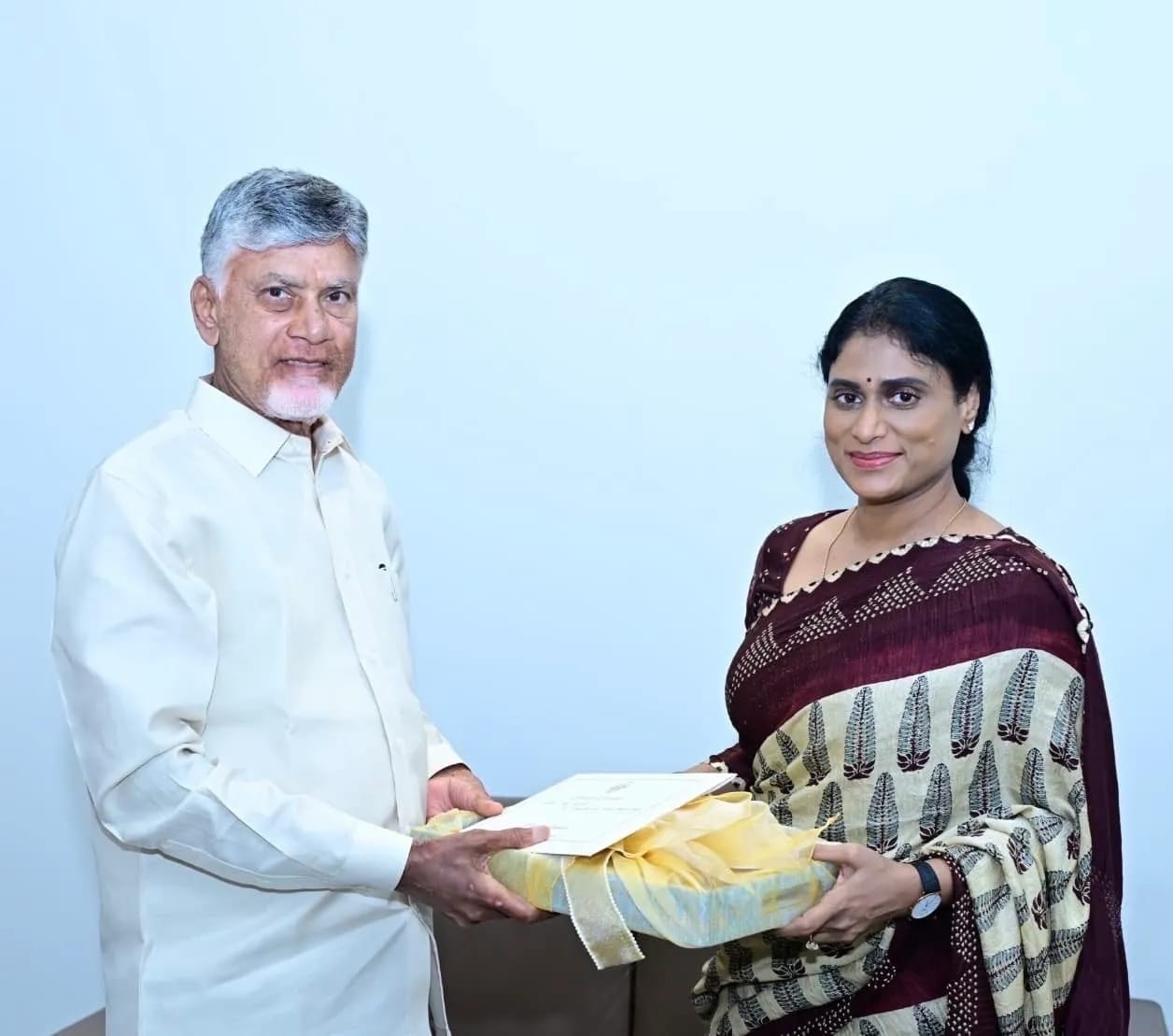
A family wedding invitation has triggered a fresh political controversy in Andhra Pradesh. Andhra Pradesh Congress Committee president Y.S. Sharmila has strongly criticised a report published in Sakshi newspaper after she invited Chief Minister N. Chandrababu Naidu to her daughter Y.S. Anjili Reddy's wedding. Her response has turned the controversy into a wider debate about media responsibility, personal dignity and political double standards.
By C Sunil Kumar • 11 views
INDIA Bloc
INDIA Bloc Takes Election Commission to Supreme Court! Rahul Gandhi Seeks Answers Through 48 Questions on SIR Controversy

Join the discussion
Comments (0)