Rajasthan Civic Polls 2026: Voting Begins as BJP Faces Rebel Challenge | Indian Rajneeti
BREAKING
Uttar Pradesh Politics Heats Up as Yogi Adityanath Targets 115 Key Seats Ahead of 2027 Assembly Polls • Rajasthan Civic Polls 2026: Voting Begins as BJP Faces Rebel Challenge • Yogi Adityanath Targets 2027 UP Elections, Says BJP Will Return With a Grand Majority
Voting for the first phase of the Rajasthan civic elections began on September 9, with polling taking place across 39 districts and 5,393 wards. The first phase covered 168 urban local bodies, with more than 57 lakh voters eligible to cast their ballots.
The elections were closely watched as major political parties (opens in a new tab) competed for control of urban local bodies across the state. The civic polls brought local issues, candidate selection, party organisation and grassroots mobilisation into focus.
BJP Takes Action Against Rebels
Ahead of polling, the BJP took disciplinary action against leaders and workers contesting against official party candidates.
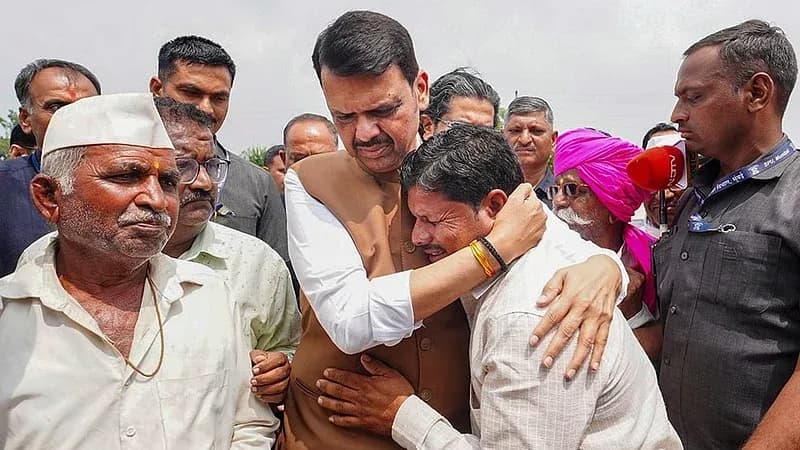
Maharashtra's decision to declare 265 talukas drought-affected has triggered questions from both ruling alliance leaders and the Opposition. While some areas represented by Mahayuti leaders have been excluded, the MVA has questioned the transparency of the assessment process.
The party initially expelled 41 rebel leaders and workers, including 26 from Jaipur, after they either contested against official candidates or supported independents. The action reflected the BJP leadership's attempt to maintain party discipline during the elections.
Additional disciplinary action was subsequently reported, taking the total number of expelled BJP rebels higher.
The presence of rebel candidates highlighted the importance of local political equations and independent candidates in Rajasthan's civic elections.
Congress and BJP Face Local-Level Battle
The Rajasthan civic elections (opens in a new tab) were significant because municipal bodies have a direct impact on issues such as roads, sanitation, water supply, urban development and local infrastructure.
The BJP and Congress competed across urban local bodies, while independent candidates and smaller political parties also played important roles in several areas.
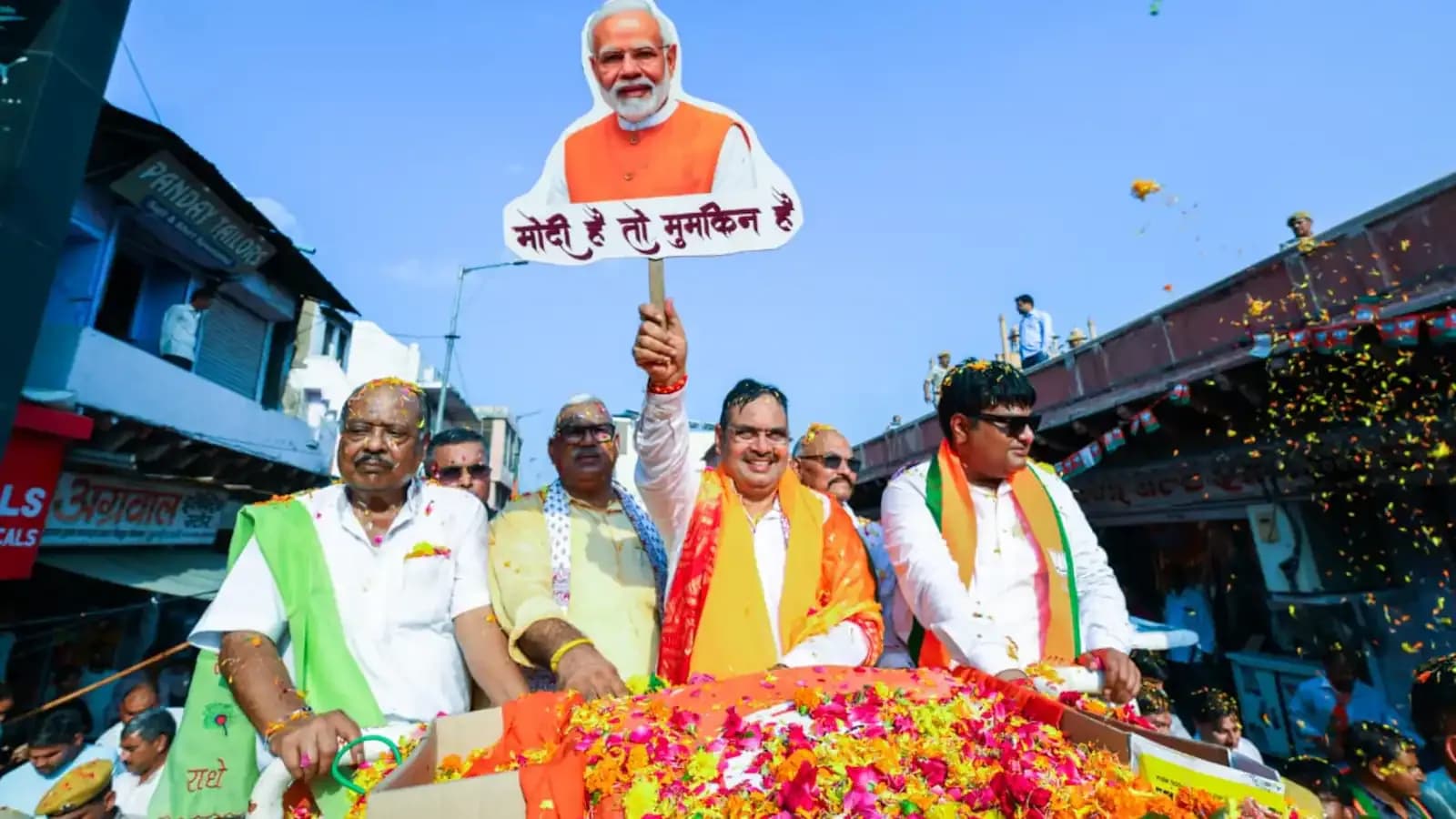
The election campaign brought Rajasthan politics into sharper focus, with senior leaders participating in rallies, roadshows, public meetings and local campaigning.
Political speech (opens in a new tab) events and door-to-door campaigning also became important as candidates attempted to connect with local voters.
Why These Elections Matter
Unlike Assembly or Lok Sabha elections, civic polls are heavily influenced by local issues, candidate reputation and personal networks.
Municipal elections (opens in a new tab) can directly affect the administration of towns and cities, making issues such as sanitation, roads, water supply, waste management and urban infrastructure particularly important.
The outcome also provides political parties with information about their grassroots organisation and local support ahead of future elections.
The results can also influence the political balance in important urban centres across Rajasthan.
Rallies and Political Campaigning
Campaigning for the Rajasthan civic elections included rallies, roadshows, public meetings and processions.
Senior leaders from the BJP and Congress participated in campaign programmes across different parts of the state. After the formal campaign period ended, candidates shifted their focus towards door-to-door campaigning and voter mobilisation.
Political speech events also provided candidates and party leaders with opportunities to discuss local development, civic services and governance.
Local Issues Take Centre Stage
Civic Elections differ from state and national polls because voters often focus closely on issues affecting their immediate neighbourhoods.
Road conditions, drinking water, drainage, sanitation, street lighting, waste collection and urban infrastructure can directly influence the political discussion.
These local concerns can also create space for independent candidates and smaller political parties to compete alongside the BJP and Congress.
Lok Sabha and State Politics Connection
Although the Rajasthan civic elections are local contests, their results can attract attention because Rajasthan's urban political landscape also forms part of the wider state political environment.
Unlike Lok Sabha elections, where voters choose representatives for Parliament, civic elections determine representatives in municipal bodies responsible for local administration.
Political parties therefore use civic elections to strengthen their local organisations and maintain connections with voters between major Assembly and Lok Sabha elections.
Rajya Sabha and Wider Political Context
Rajasthan's political developments also have relevance to national politics through the state's representation in the Rajya Sabha and Lok Sabha.
While civic elections do not directly determine Rajya Sabha representation, local political activity can contribute to the broader organisational strength of major political parties in the state.
The results therefore remain relevant to political organisations preparing for future Assembly, Lok Sabha and Rajya Sabha developments.
Youth Politics and Local Elections
Young voters and first-time voters can also become an important part of local political campaigns.
Issues such as employment, education, skill development, sports facilities, public transport and opportunities for young people can influence local political discussions.
As a result, youth politics can intersect with civic issues, particularly in growing urban centres where younger populations are seeking better employment and public services.
Political War Between BJP and Congress
The Rajasthan civic elections added another chapter to the wider political war between the BJP and Congress in the state.
Both parties used the campaign to highlight their political positions and organisational strength, while independent candidates created additional competition in several urban areas.
The results subsequently showed a competitive urban political landscape, with the BJP winning 4,179 of the 10,235 declared wards, Congress winning 3,613 and independents securing 2,273.
What Happens Next?
The civic election process has now moved beyond polling, with results declared for almost all wards. The BJP emerged as the largest party at the statewide ward level, while Congress and independent candidates also secured substantial numbers of seats.
The results are likely to be examined by political parties as they assess their local organisation, candidate selection and grassroots campaign structures.
For Rajasthan voters, however, the immediate significance of the civic elections remains connected to local governance and the ability of elected representatives to address issues affecting towns and cities.
The Rajasthan civic elections therefore represent an important chapter in the state's wider political activity, alongside Assembly, Lok Sabha, Rajya Sabha and other elections.
Indian Rajneeti will continue to track Rajasthan politics, political wars, political parties, speeches, rallies, youth politics, Lok Sabha, Rajya Sabha and major political developments across India.
“Rajasthan's 2026 civic elections brought local governance, party organisation and grassroots political competition into focus. The BJP, Congress, independent candidates and other political groups competed across urban local bodies, with the results providing another reference point for Rajasthan's wider political landscape.”
“Rajasthan's 2026 civic elections have entered the voting phase, with polling beginning across 39 districts in the first phase. The BJP has taken disciplinary action against 41 rebel leaders, adding another political dimension to the local body contest.”
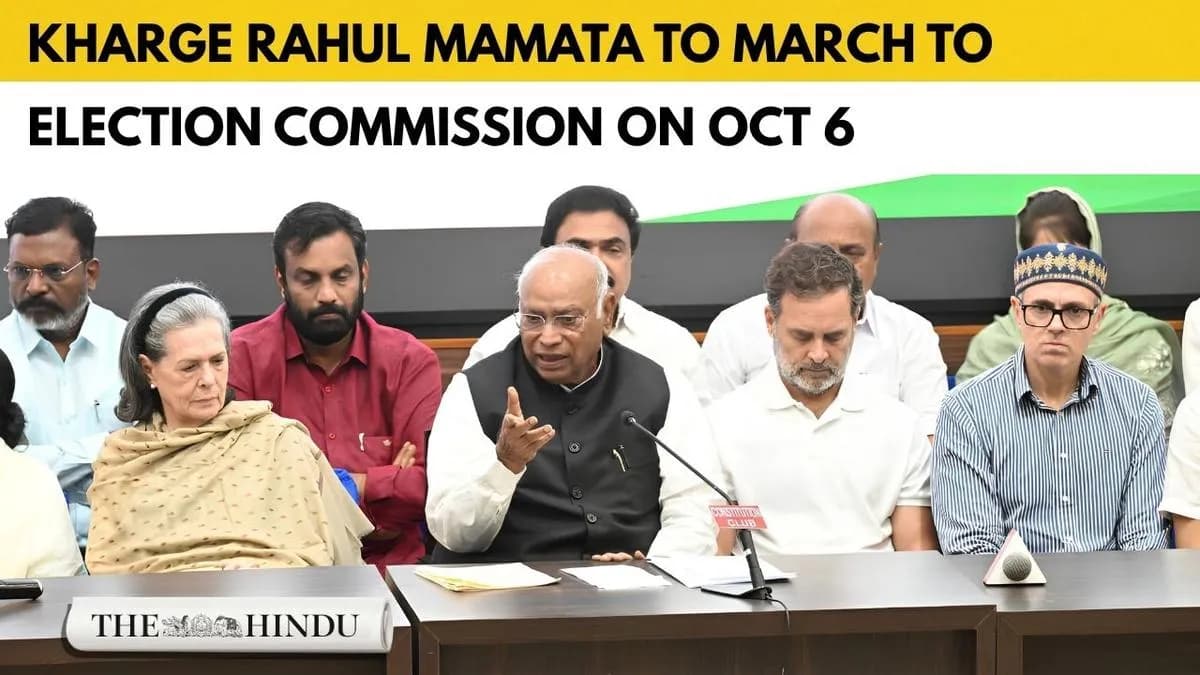
The INDIA bloc has announced a nationwide campaign over concerns related to the Election Commission and electoral processes. The Opposition plans protests, a march to the Election Commission headquarters, and a legal challenge to provisions of the Chief Election Commissioner Act, 2023.
Discussions between Chief Minister C. Joseph Vijay's Tamilaga Vettri Kazhagam (TVK) and the Pattali Makkal Katchi (PMK) have intensified, with reports suggesting alliance talks and possible Cabinet representation. However, no official announcement has been made by either party.
With the Uttar Pradesh Assembly election approaching in 2027, the Samajwadi Party and Congress are working to strengthen their alliance after their improved performance in the 2024 Lok Sabha elections. Political observers believe the opposition has an important opportunity, but unity and effective seat-sharing will be crucial.