Indian National Congress
Indian National Congress (INC), founded in 1885, is a major political party in India. Explore its latest activities, statements, and role in the current political landscape.
Current vs. Opposition
Bharatiya Janata Party (BJP)
Ruling Party (National)
Indian National Congress (INC)
Opposition Party
History & Achievements
secularism, democratic pluralism, social justice, economic development, welfare-oriented governance, constitutionalism and inclusive nationalism.
1947–1977 | 1980–1989 | 1991–1996 | 2004–2014
History
The Indian National Congress was founded on 28 December 1885 at the Gokuldas Tejpal Sanskrit College in Bombay, now Mumbai. The first session was attended by 72 delegates and was presided over by Womesh Chandra Bonnerjee. Allan Octavian Hume played an important role in bringing together the organisation's early political leadership.
During the late nineteenth and early twentieth centuries, Congress developed from a political organisation seeking greater Indian participation in colonial administration into the principal organisation of India's national movement.
Under leaders such as Mahatma Gandhi, Jawaharlal Nehru, Sardar Vallabhbhai Patel, Maulana Abul Kalam Azad and others, the Congress became a mass political movement. It played a central role in major phases of the freedom struggle, including the Non-Cooperation Movement, Civil Disobedience Movement and Quit India Movement.
After India's independence in 1947, Congress became the dominant political party at the national level. Jawaharlal Nehru became India's first Prime Minister and led the country until 1964. Congress governments subsequently continued to govern India under several Prime Ministers.
The party experienced major internal changes during the 1960s and 1970s and underwent a significant organisational split in 1969. Indira Gandhi became one of the most influential leaders in the party's post-independence history.
Following the Emergency period of 1975–1977, Congress returned to power in 1980 under Indira Gandhi. After her assassination in 1984, Rajiv Gandhi became Prime Minister and led the Congress government.
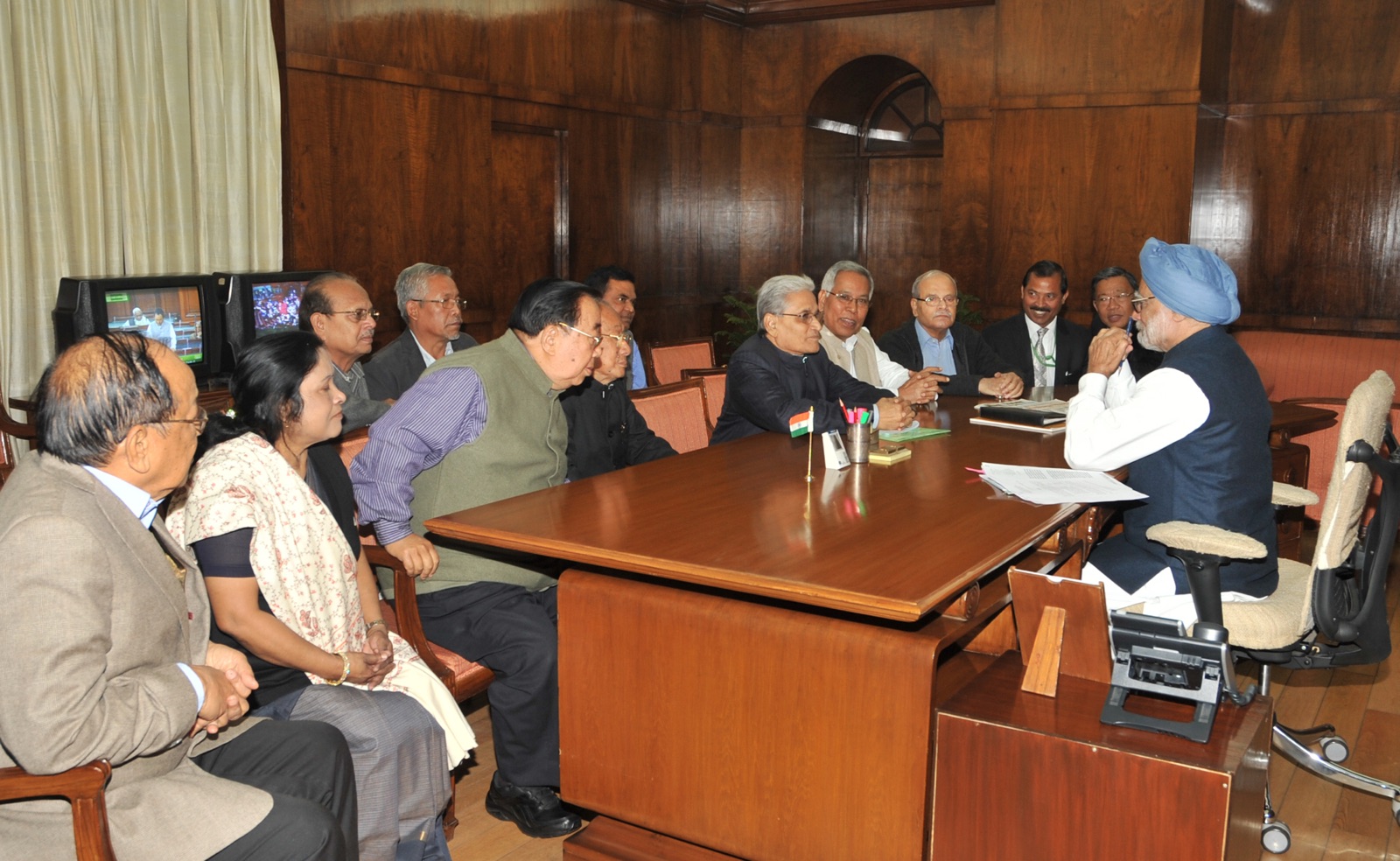
In 1991, Congress returned to power under P.V. Narasimha Rao. His government introduced major economic reforms, with Finance Minister Manmohan Singh presenting the landmark 1991 economic reform programme. Congress's own historical timeline describes these reforms as a major change in India's economic policy.
Congress returned to power at the Union level in 2004, leading the United Progressive Alliance (UPA). Manmohan Singh served as Prime Minister from 2004 to 2014. The UPA period was associated with major legislation and programmes including the Right to Information Act, Mahatma Gandhi National Rural Employment Guarantee Act (MGNREGA), National Food Security Act and other social-welfare measures.
In the 2014 Lok Sabha election, Congress suffered a major electoral setback and became the principal opposition party. The party remained in opposition after the 2019 general election.
In the 2024 Lok Sabha election, Congress improved its parliamentary strength compared with 2014 and 2019, while remaining outside the Union government. It continued to play a central role in the INDIA opposition alliance.
In the 2026 state elections, Congress returned to power in Kerala as part of the Congress-led alliance, while continuing to govern Karnataka, Telangana and Himachal Pradesh.
Congress therefore remains one of India's oldest political organisations and has played a major role in both the freedom movement and the post-independence political development of the country.
Indian National Congress News
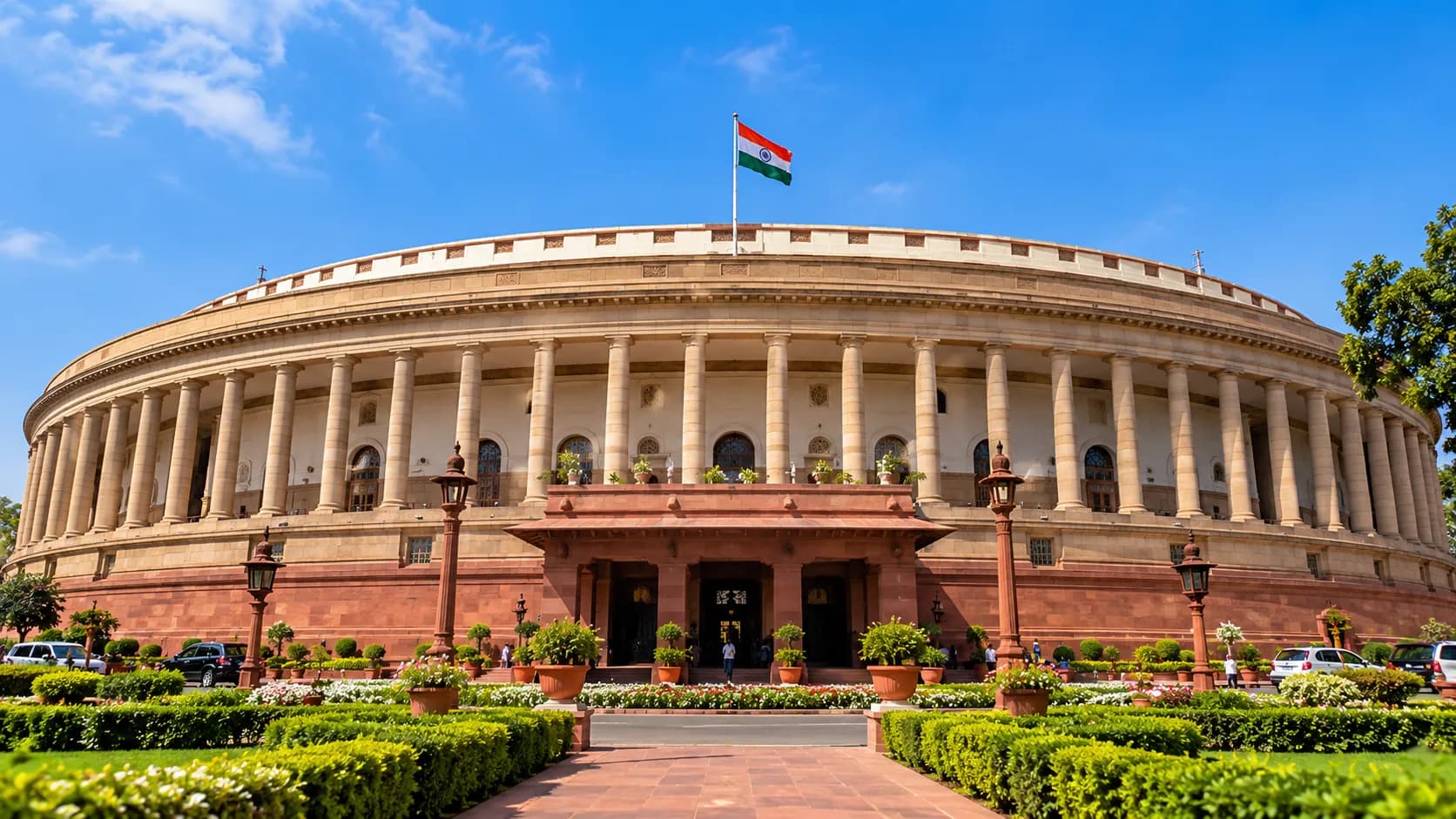
Anti-Defection Law in India: When Can an MLA or MP Lose Their Seat?
India’s anti-defection law sets out circumstances in which elected legislators may face disqualification. Understanding the Tenth Schedule helps readers follow party switching, legislative discipline and constitutional procedures.
By Shivani CH • 4 views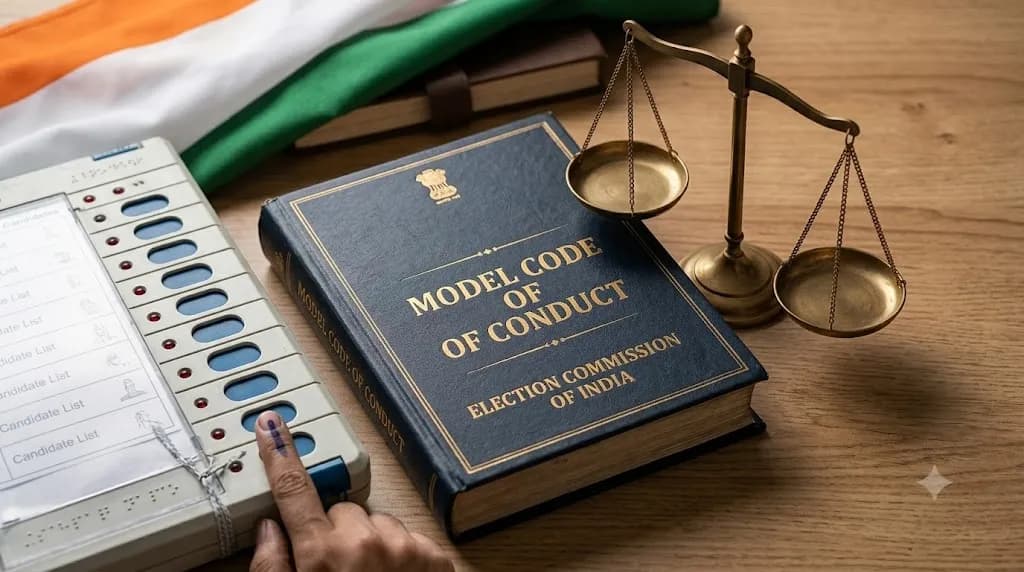
Model Code of Conduct: Rules for Election Campaigns in India
The Model Code of Conduct establishes guidelines for political parties and candidates during elections. It covers campaign behaviour, public resources and expectations for responsible political competition.