Sikkim Politics
Sikkim, led by Chief Minister Prem Singh Tamang (Golay). Track the latest political developments, policy decisions, and electoral dynamics shaping Sikkim.
Current vs. Opposition

Prem Singh Tamang (Golay)
Chief Minister, Sikkim
Vacant / No recognised Leader of Opposition
Opposition Leader — None in the Legislative Assembly, Sikkim Assembly
History & Achievements

History
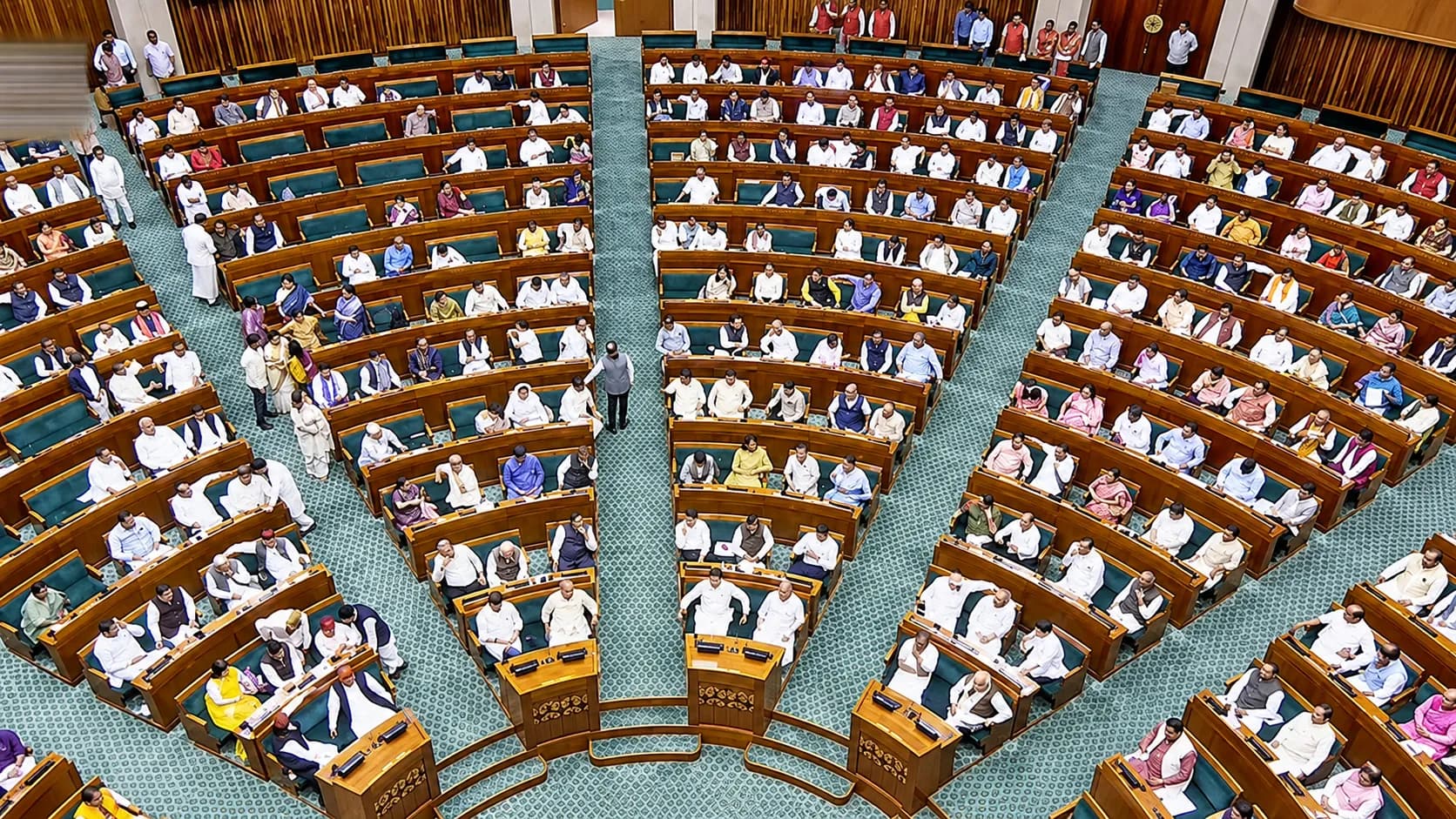
Sikkim was historically a Himalayan kingdom ruled by the Namgyal dynasty for several centuries. Before becoming part of India, Sikkim maintained a special relationship with India under the 1950 Indo-Sikkim Treaty, under which India was responsible for the kingdom's defence, external relations and communications. Political reforms gradually expanded democratic representation in Sikkim. In 1974, elections were held for a Legislative Assembly, and the government led by Kazi Lhendup Dorjee sought closer constitutional ties with India. The Constitution (35th Amendment) Act, 1974 created an associate-state arrangement, before the 36th Constitutional Amendment made Sikkim a full state of India on 26 April 1975. Sikkim became India's 22nd state. The Sikkim Legislative Assembly is a unicameral legislature with 32 seats. Kazi Lhendup Dorjee became the first Chief Minister after statehood. His government was followed by political changes during the late 1970s and 1980s, including the rise of Nar Bahadur Bhandari, who served as Chief Minister for multiple terms and became one of the state's most influential political leaders. The Sikkim Sangram Parishad (SSP) was an important political force during the Bhandari period. In the 1980s, Sikkim's politics increasingly focused on development, employment, infrastructure and the state's relationship with the Union government. In 1994, Pawan Kumar Chamling and the Sikkim Democratic Front (SDF) came to power, beginning one of the longest periods of single-party political dominance in an Indian state. Chamling served as Chief Minister for approximately 25 years and led successive SDF governments. During the SDF era, the government focused on roads, rural infrastructure, education, tourism, healthcare, electricity and environmental programmes. Sikkim also developed a national reputation for organic agriculture and environmentally conscious development. A major political change took place in the 2019 Assembly election, when Prem Singh Tamang (Golay) and the Sikkim Krantikari Morcha (SKM) defeated the long-ruling SDF. The SKM formed the government, bringing an end to Chamling's 25-year tenure as Chief Minister. In the 2024 Assembly election, the SKM secured a landslide victory and won all 32 Assembly seats. Prem Singh Tamang continued as Chief Minister. The result represented an unprecedented level of legislative dominance for the ruling party and left the Assembly without a recognised opposition party. Sikkim's political system also has distinctive constitutional provisions under Article 371(F) of the Constitution. These provisions protect certain existing laws, rights and institutional arrangements associated with Sikkim's integration into India.