Tripura Politics
Tripura, led by Chief Minister Prof. Dr. Manik Saha. Track the latest political developments, policy decisions, and electoral dynamics shaping Tripura.
Current vs. Opposition

Prof. Dr. Manik Saha
Chief Minister, Tripura

Jitendra Chaudhury
Opposition Leader — Communist Party of India (Marxist) — CPI(M), Tripura Assembly
History & Achievements

History
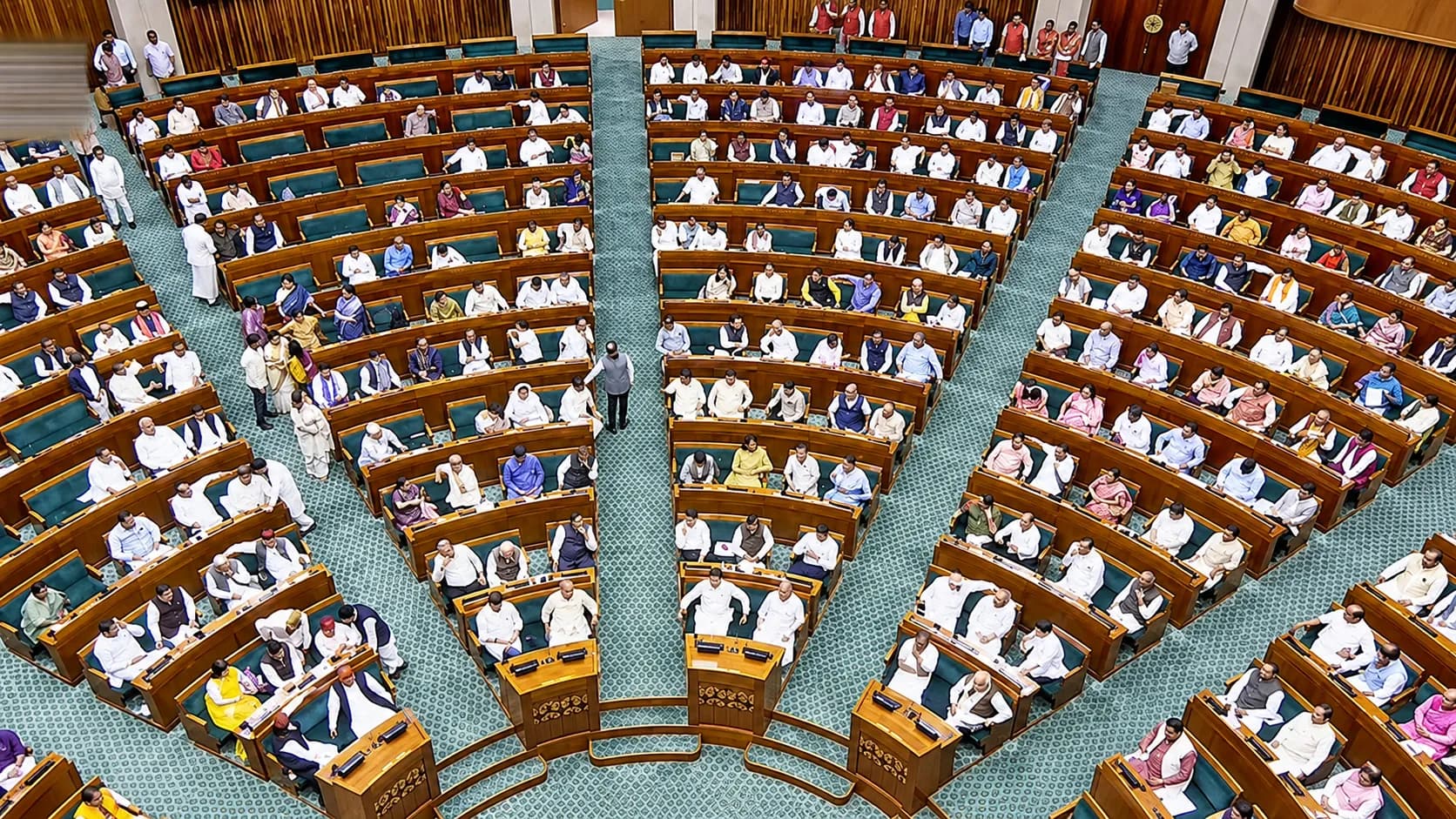
Tripura has a distinctive political history that evolved from a princely kingdom into a full-fledged State of the Indian Union. The Manikya dynasty ruled Tripura for centuries before the kingdom signed the Merger Agreement with India on 9 September 1949. Tripura subsequently became a Union Territory on 1 July 1963 and attained full statehood on 21 January 1972. The democratic legislative system of Tripura has an important history. The Tripura Legislative Assembly was established on 1 July 1963, initially with 30 MLAs. The Assembly later functioned from the historic Ujjayanta Palace before moving to its present building in 2011. After statehood, Tripura experienced competition among the Congress, CPI(M)-led Left Front and other regional and tribal political forces. The Left Front governed the State for several decades, making Tripura one of the important Left-ruled states in India. In the 2018 Assembly election, the BJP ended the long-standing CPI(M)-led government and formed the government in alliance with the Indigenous People's Front of Tripura (IPFT). The BJP retained power in the 2023 Assembly election, while the TIPRA Motha emerged as a major political force, particularly on issues relating to indigenous tribal communities and regional development. The present 13th Tripura Legislative Assembly has representation from BJP, TIPRA Motha, CPI(M), Congress and IPFT. Tripura's political development has also been closely connected with tribal administration, ethnic diversity, migration, land and forest issues, rural development and the role of the Tripura Tribal Areas Autonomous District Council (TTAADC). The State's political history therefore combines mainstream national parties with strong regional and tribal political movements.